

rocker


 1
7.3
1
7.3
- noun
- /ˈrɑːkər/
- Specialized
- tip rocker
- tail rocker
Examples
-
The heel rocker effect of the prosthetic foot tends to create a flexion torque at the knee (12).
Academic text (1990) -
This would be to replace the forefoot rocker (23). Other than the Flex-Foot, the "ankle" joints of the prosthetic feet tested were rigid.
Academic text (1990) -
To quote Mina Grauer, "Rocker was convinced that within the framework of a state, the libertarian nature of the Kibbutzim would ultimately be crushed, and their unique economic system would be brought to an end." 19
Blog text (28) -
A rocker is essential for making sharp turns while skating on the ice.
-
The curved blade of a rocker allows for smooth maneuvers during figure skating.
-
Using a rocker helps skaters navigate tight corners with ease.
Synonyms
 3
1.0
3
1.0
A boot with a metal blade that lets you move on ice
Compounds
 7
4.2
7
4.2
A young person who plays or likes loud, fast guitar music and dresses in leather with spiked hair
- Archaic
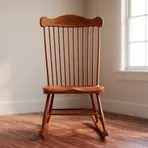
A wooden rocking chair with a high back made of thin wooden bars and a decorative top piece
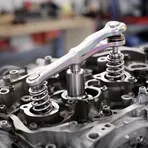

A chair that sits on a fixed platform and moves gently back and forth without sliding across the floor

How Maneuverable

Surface Forms
Morphology
Etymology
In skating, rocker names the curved part of the blade and comes from the verb rock, meaning 'to tilt or roll'. That curve lets the skate 'rock' and makes turning and spins easier.