
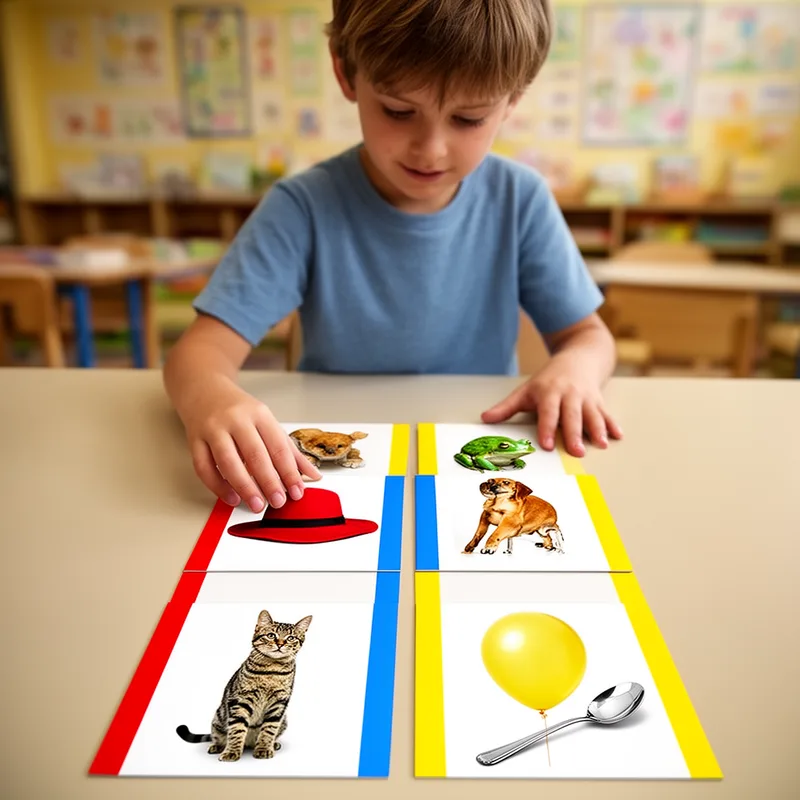
rhyming
- adjective
- /ˈraɪmɪŋ/
- Consistency is part of being peculiar, consistently generous, consistently showing up, rhyming with yourself in a way that you're proud of.
Loading YouTube…
Watch on YouTubeWhat it indicated was that people see rhyming sentences as more believable than ones that don't rhyme.
- What it indicated was that people see rhyming sentences as more believable than ones that don't rhyme.
Examples
-
That's that, that calm, you know, style of rhyming where you didn't have to be as ferocious on the mic.
-
Many children's songs use rhyming words to make them more fun and memorable.
-
You know it's all about rhyming number and number, right?
-
No, I need to know, but something rhyming with Amazon.
-
It's literally rhyming movement with movement, so to speak.
-
You see here Prufrock has moved into these rhyming tersets.
-
I mean, there is of course rhyming, internal rhyming and a metrical measure that's going on that has to be kept whole.
-
That might be a rhyming couplet, a sonnet, a dress, a table, a car, a glass bottle.
-
And the sestina is not just about virtuoso rhyming, it's also about rhythm, about beat.
-
Although he did write some rhyming poems, some sonnets and a few rhyming poems, Campos did.
Synonyms

 1
3.2
1
3.2

Having the same end sounds in lines or words

Words, often in poems, that end with the same sound

A poem with rhymes at the ends of its lines
Antonyms

Compounds

- Slang
2
9.9
A kind of slang in which people replace a word with a rhyming phrase and often leave out the rhyme
How Well


Surface Forms
Morphology
Etymology
The word rhyming comes from the old word rhyme, which is related to rhythm and once meant a regular 'flow' or 'pattern' of sound. So rhyming means words that match in sound, especially at the end, like 'cat' and 'hat'.