
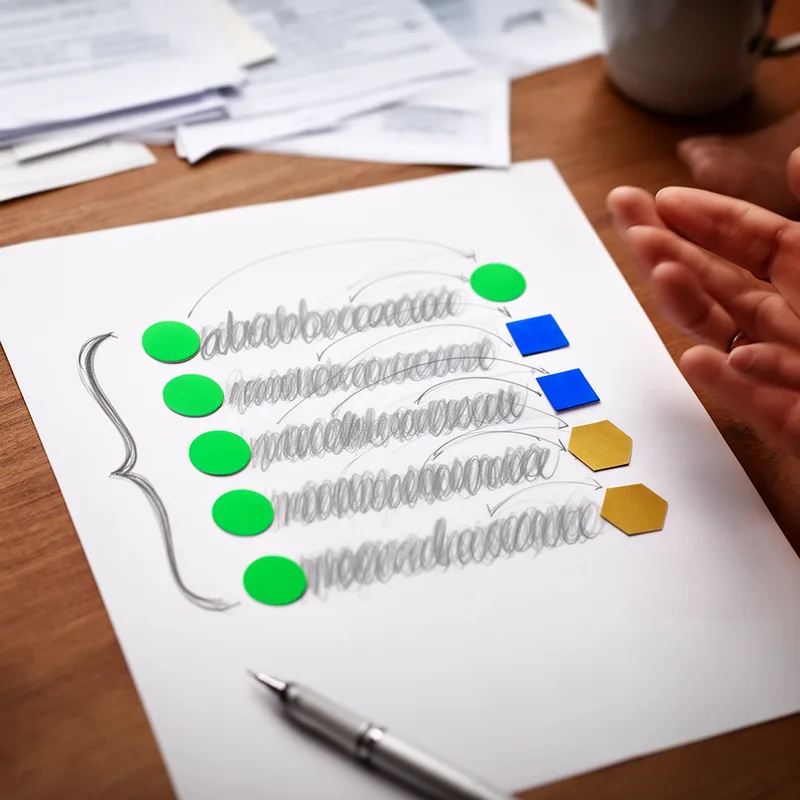
rhyme royal
- noun
- /ˈraɪm ˈrɔɪəl/
- Literature
- Rhyme royal and terza rima are not the only verse forms that may be read as deliberate rejections of ottava rima.
Loading YouTube…
Watch on YouTubeSonia Sanchez has said that she used form, specifically rhyme royal, to write about the death of her brother from AIDS.
- Sonia Sanchez has said that she used form, specifically rhyme royal, to write about the death of her brother from AIDS.
Examples
-
Sonia Sanchez has said that she used form, specifically rhyme royal, to write about the death of her brother from AIDS.
-
Chaucer introduced the stanza form known as rhyme royal, characterized by its unique pattern of seven lines.
-
Chaucer in rhyme royal, Spenser
Academic text (2003) -
When the little boxes, or rooms, into which it is divided are standard forms, such as ottava rima or rhyme-royal, another effect is also evident: the divisions all have the same size and shape.
Academic text (2003) -
The first couplet, as in rhyme-royal, comes as a slight surprise since the reader has reached its second line (line 5) before the structure is evident.
Academic text (2003) -
Many poets, including Spenser, have experimented with rhyme royal to create intricate poetic structures.
-
The distinctiveness of rhyme royal lies in its seven lines, often used to convey deeper emotions in poetry.
Surface Forms
Morphology
The element 'rhyme' makes it clear this is a poetic term, so learners would likely infer it relates to rhyme or a type of poetic form. However, 'royal' does not transparently indicate the specific seven-line iambic pentameter stanza or the ababbcc scheme—the label is historical and technical—so a B1 learner who only knows the constituents would not be able to derive the precise meaning.
Etymology
Rhyme royal may come from the old French phrase 'rime royale' and was brought into English by Chaucer. Think of rhyme (a sound pattern) and royal (fit for kings): the seven-line stanza ends with a two-line close like a small crown, so the form felt formal and 'royal' and keeps that dignified feeling today.

