
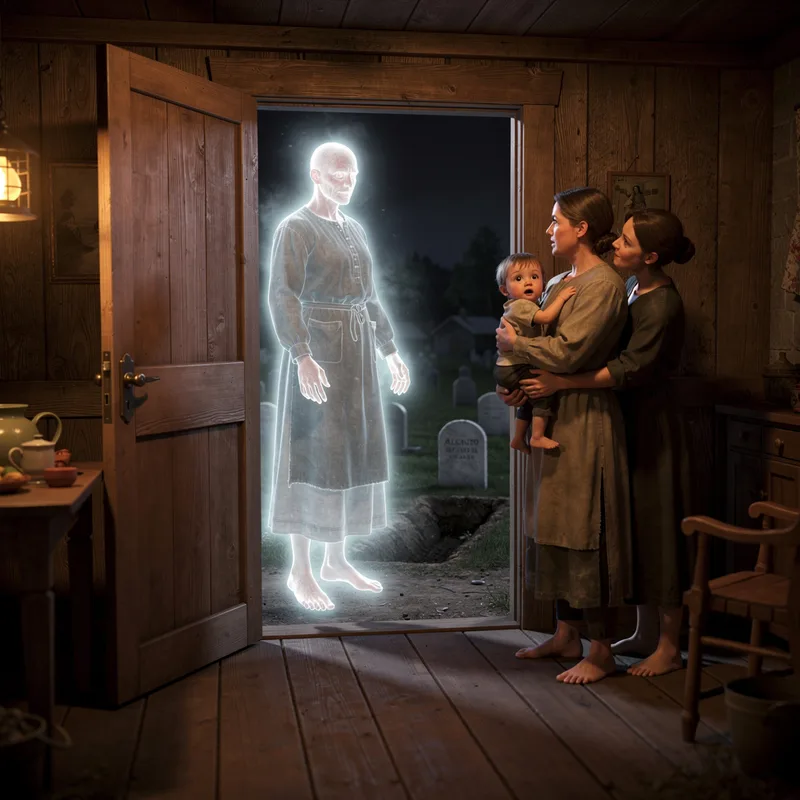
revenant
 5
9.9
5
9.9

- noun
- /ˈrɛvənənt/
- Literature
- When vampires and revenants in European folklore suck blood—and many do not—they bite their victims somewhere on the thorax.
Examples
-
A very common belief, reported not only from Eastern Europe but also from China, holds that a person may become a revenant when an animal jumps over him.
Academic text (1990) -
The only thing that can stop or trap a revenant is running water.
-
Literally, the father returns: he is described on numerous occasions as a "revenant."
Academic text (2000) -
Now we come to what is probably the most familiar type of haunting, the ghost or revenant...
-
CAROL: A visible ghost or an animated corpse is called a revenant.
-
In various parts of Europe, vampires, or revenants, were held responsible for any number of untoward events.
Academic text (1990) -
For the dead are ghosts that come back ritually; they are revenants.
Academic text (1997) -
Like ghosts, the revenant potentially had some form of unfinished business, although nobody seemed bothered about finding the murderer.
Blog text (15) -
In folklore, a revenant is often depicted as a ghost returning to seek vengeance on those who wronged them.
-
The village spoke in hushed tones about the revenant that was said to wander the forest after sunset.
Synonyms
 191
5.0
191
5.0
A dead body brought back to life by magic, often in stories
Surface Forms
Etymology
The word revenant comes from the French revenant, built from re- 'again' and the root venire 'to come', so it literally means 'one who comes back'. In stories a revenant is a person or spirit who returns from the dead or after a long absence, which is why the word means a returning ghost.