
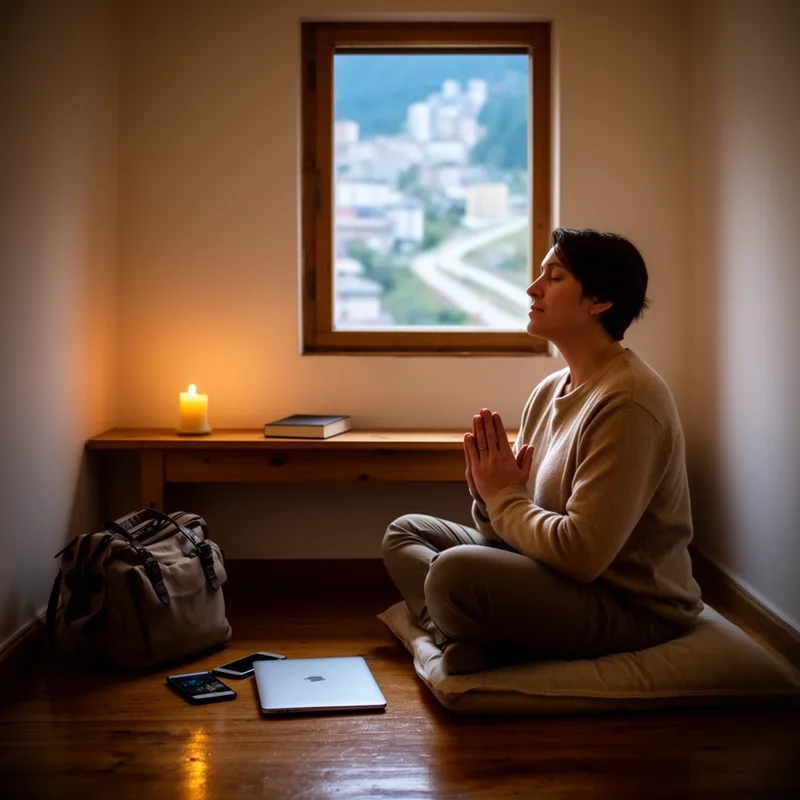
retreatism
- noun
- /rɪˈtriːtɪzəm/
- Her interest in retreatism grew after attending a week-long silent retreat in the mountains.
Examples
-
The monastery encouraged retreatism among novices as part of their spiritual training and reflection.
-
Many people turn to retreatism to find peace and clarity in their busy lives.
-
Many people practice retreatism to find peace in their busy lives.
-
In today's fast-paced world, retreatism can be a valuable tool for self-care.
-
The monastery encouraged retreatism among novices as part of their spiritual training and reflection.
-
Many people turn to retreatism to find peace and clarity in their busy lives.
-
Her interest in retreatism grew after attending a week-long silent retreat in the mountains.
How Withdrawn


Surface Forms
Morphology
Etymology
Retreatism comes from the common word retreat which means 'to move back' or a quiet place, plus the ending -ism meaning 'a practice'. So, retreatism often means the practice of withdrawing from daily life for prayer, reflection, or spiritual renewal.