

rest-harrow
- noun
- UK
- The pink blossoms of rest-harrow appeared in the meadow every summer.
Examples
-
The rest-harrow is known for its vibrant purple flowers.
-
Due to its tough roots, rest-harrow is sometimes cultivated to prevent soil erosion.
-
The field was covered with rest-harrow, making plowing difficult for the farmers.
-
In spring, the rest-harrow blooms beautifully.
-
The pink blossoms of rest-harrow appeared in the meadow every summer.
-
The field was covered with rest-harrow, making plowing difficult for the farmers.
-
Due to its tough roots, rest-harrow is sometimes cultivated to prevent soil erosion.
Synonyms
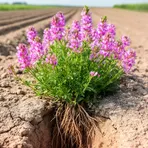
A European plant with tough roots and pink or purple flowers that grows in dry sandy soil

A group of small plants in Europe with pink, purple, or yellow flowers called restharrow
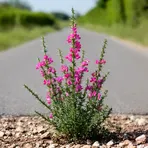
A plant from Europe and Asia with spiny stems and pink flowers

A low European plant with pink flowers that spreads along the ground by underground stems
Surface Forms
Morphology
Etymology
Rest-harrow comes from rest (meaning 'stop') and harrow, a farm tool that pulls over the soil, and a helpful way to remember it is to imagine that tool getting stuck in the field. So, the plant has very tough roots that can stop a harrow, which explains its name and why it makes plowing hard.

