
resorcinol


 1
9.9
- noun
- /ˌrɛzərˈsɪnɒl/
- Specialized
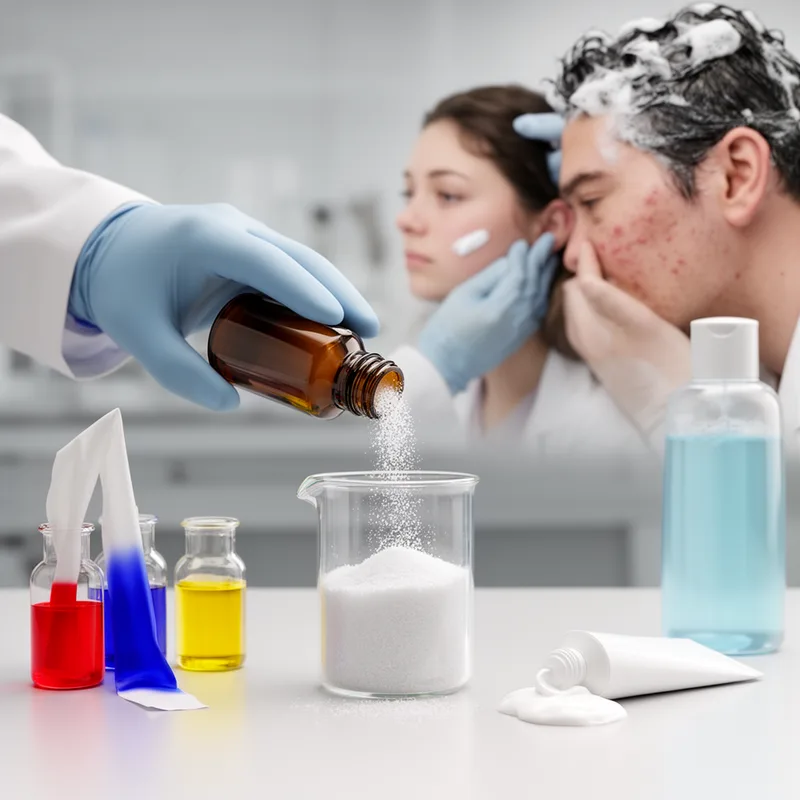
- The dermatologist prescribed a cream containing resorcinol to treat stubborn acne on her face.
Examples
-
Many dandruff shampoos list resorcinol as an active ingredient because of its antifungal properties.
-
Chemists often use resorcinol as a starting material in the synthesis of azo dyes.
-
The chemist used resorcinol to create a new dye.
-
Many shampoos contain resorcinol for its medicinal properties.
-
Many skincare products use resorcinol for its ability to unclog pores.
-
The dermatologist recommended a lotion that contains resorcinol to treat acne.
-
In cosmetics, resorcinol is often included for its dyeing and antibacterial properties.
Surface Forms
Morphology
resorcinol = resorcin + ol
The element 'resorcin' is a specialized combining form (not a standalone English word) and the '-ol' suffix is a technical chemical marker, so an average learner cannot derive the meaning from the parts.
Etymology
Resorcinol breaks into resorcin + -ol, and a helpful way to remember this is that resorcin sounds like 'resin', the sticky plant material once used to make many dyes, while -ol marks a chemical 'alcohol' type group. So, resorcinol is a small chemical linked to natural resins that today is used in dyes and in some medical creams and shampoos.