
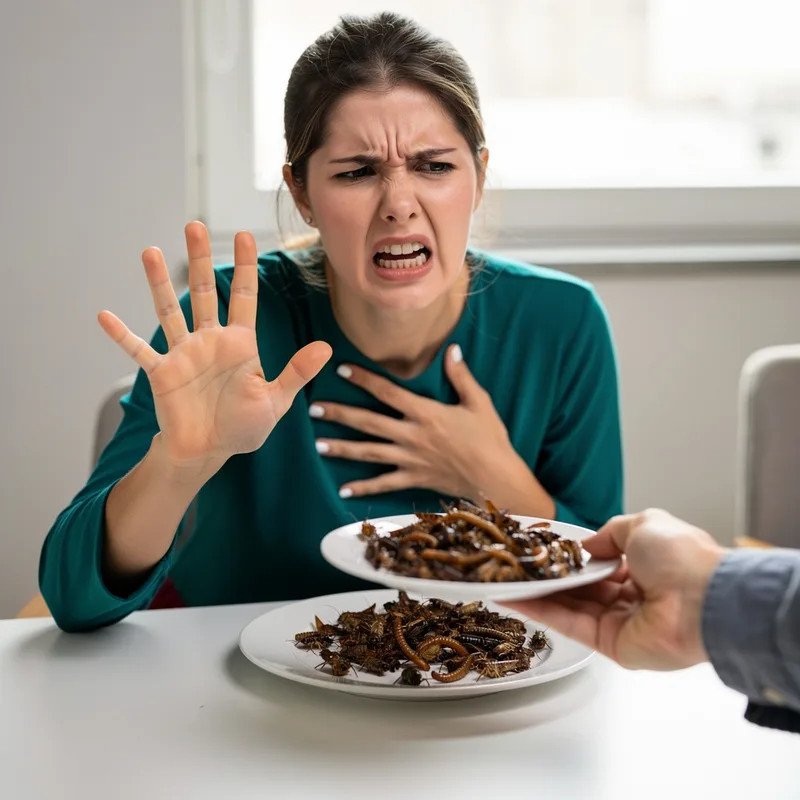
repulsion
 3
6.2
3
6.2

- noun
- /rɪˈpʌlʃən/
- She felt a wave of repulsion when she saw the dirty dishes piled in the sink.
- attraction and repulsion
- repulsion, fascination
Loading YouTube…
Watch on YouTubeYou go like it's, it's we're, we're as a society, I think that we have some repulsion to the idea of seeing anything that's associated with fat.
- You go like it's, it's we're, we're as a society, I think that we have some repulsion to the idea of seeing anything that's associated with fat.
Examples
-
Treadwell recoiled from Seth's touch, then stared at the grinning associate with a mixture of repulsion and fascination.
Fiction book (1995) -
Watching them filled me with a combination of fascination and repulsion, horror and awe.
Fiction book (2002) -
I slowly began to have an odd repulsion for my pregnant sister.
-
There was no logic to her feelings of repulsion toward men.
Fiction book (1999) -
Although both men express a degree of repulsion at the image of the corpse, their emotions pull them in different directions.
Academic text (2017) -
I think it's more about the allure and repulsion of power and creativity.
Blog text (6) -
I inquired, feeling a sense of repulsion as I sniffed the air.
Fiction book (2001) -
We feel both infatuation and repulsion; we find it both appealing and appalling.
Blog text (8) -
As she'd gazed at his body, she experienced a distant, vague stirring of repulsion.
Fiction book (1999) -
The ambivalent, simultaneous repulsion and attraction provoked by the abject helps sustain in tension opposing views of the characters.
Academic text (2017)
Synonyms
 87
2.0
87
2.0
A strong feeling of dislike and being sick because something is offensive
 49
1.0
49
1.0
A feeling of not liking someone or something
 48
5.2
48
5.2
A strong feeling of hatred and disgust for someone or something
 31
6.5
31
6.5
A strong dislike of something or someone
 28
4.1
28
4.1
A mild feeling of not liking something
 18
6.3
18
6.3
A strong feeling of disgust at something very unpleasant
 11
8.3
11
8.3
A strong feeling of dislike toward someone or something
 3
8.4
3
8.4
A strong feeling of dislike or disgust
 2
7.8
2
7.8
A very strong feeling of hate and disgust
 1
8.6
1
8.6
A very strong feeling of hate and disgust for someone or something


 1
9.9
1
9.9
A feeling of dislike for something like a food or task

A strong feeling of disgust or deep dislike

A feeling of dislike toward someone or something
Antonyms



How Repulsed
2
7.8
 18
6.3
87
2.0
3
6.2
28
4.1
18
6.3
87
2.0
3
6.2
28
4.1
- Texting
49
1.0
Surface Forms
Morphology
Etymology
Repulsion comes from the old Latin word repellere, made of re- and pellere, which means 'to push back'. It is related to the English verb repel, so a feeling of repulsion is like being mentally 'pushed away' from something because it disgusts you.