
repolarization


 1
8.3
- noun
- /ˌriːˌpɒlərɪˈzeɪʃən/
- Specialized
- Additionally, the prevalent forms of arrhythmia during the chronic phase are ventricular extrasystoles, right bundle branch block, ventricular repolarization disorders, and ventricular arrhythmias.
- ventricular repolarization
- repolarization abnormalities
Examples
-
Fig. 2 depicts a signal, a shape representing the successive depolarization and repolarization in each cardiac cycle.
Academic text (2017) -
The T-wave, which displays the repolarization of the ventricles.
Academic text (2017) -
Repolarization changes are the most common ECG findings that occur.
Academic text (2016) -
With stress, repolarization rates of the ventricle myocytes can vary.
Fiction book (2001) -
One member from families A-D showed abnormalities of repolarization most compatible with long QT syndrome.
Academic text (2003) -
All electrocardiographical data were analyzed for features of abnormal repolarization.
Academic text (2003) -
More importantly, a correlation was established between altered membrane repolarization observed in the QT interval and the downregulation of Ito.
Academic text (2016) -
As discussed above, TNF may play a crucial role in the reduction of Kv4.3 expression and therefore cause a significant reduction of Ito density and a subsequent delay in action potential repolarization.
Academic text (2016) -
More advanced analysis of repolarization abnormalities on Holter monitoring and routine exercise testing might have led to more diagnoses of long QT syndrome and might have also identified cases of catecholaminergic polymorphic ventricular tachycardia.
Academic text (2003) -
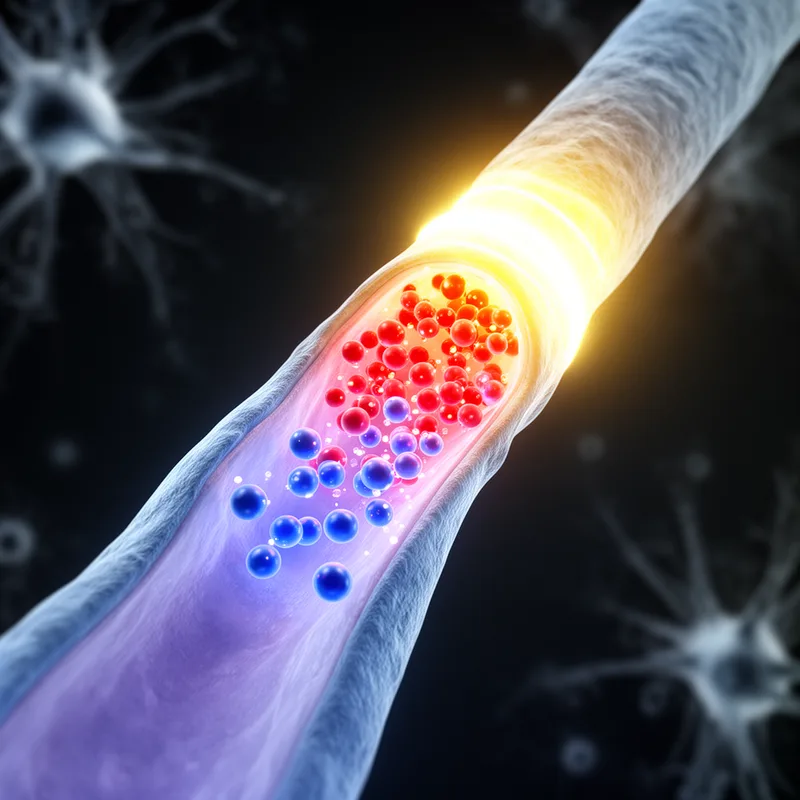
The heart's repolarization phase ensures that the muscle cells reset their electrical charge after each heartbeat.
Surface Forms
Morphology
repolarization = polarization (semi-transparent) = re + polar + ization
The structure is clear as re- + polarization, but the scientific sense of returning to a normal polarized state is specialized and not fully predictable for an average learner.
Etymology
Repolarization comes from the parts re- 'again' and polar 'poles' (think of North and South), the same root you see in pole and polar. So repolarization is like returning the electrical 'poles' or charges back to their original state after something has been active.