
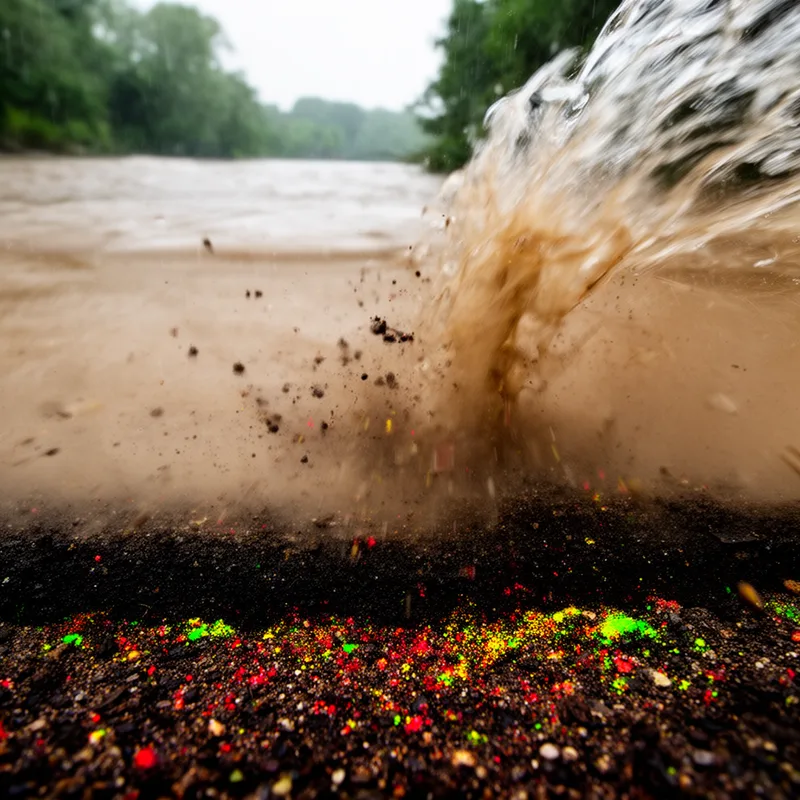
remobilization
- noun
- /ˌriːˌmoʊbɪlaɪˈzeɪʃən/
- Specialized
- Heavy rainfall led to the remobilization of pollutants that had settled in the lake.
Examples
-
The remobilization of sediments can impact water quality in rivers and streams.
-
Scientists studied the remobilization of nutrients in the soil after the flood.
-
The remobilization of nutrients is crucial for plant growth.
-
Have you heard about the remobilization of resources in the project?
-
Heavy rainfall caused the remobilization of pollutants that had settled in the lake.
-
Scientists observed the remobilization of nutrients in the soil following the flood.
-
The remobilization of sediments can significantly affect water quality in rivers.
Synonyms
 1
5.1
1
5.1

Moving the same air or water through a system again

The movement of small pieces from the bottom back into water or air
Antonyms


How Extensive

Surface Forms
Morphology
remobilization = remobilize (transparent) = re + mobile + ize + ation
This is a regular noun formed from the verb 'remobilize' with '-ation', meaning the act or process of doing it.
Etymology
Remobilization comes from re- 'again' and mobile 'able to move', the same root as in mobile. It describes when things like soil, pollutants, or sediments that were stuck become able to move and are carried away again. So remobilization explains how floods or waves can free and move materials that were once settled.