
relict


 1
9.9
- noun
- /ˈrɛlɪkt/
- Specialized
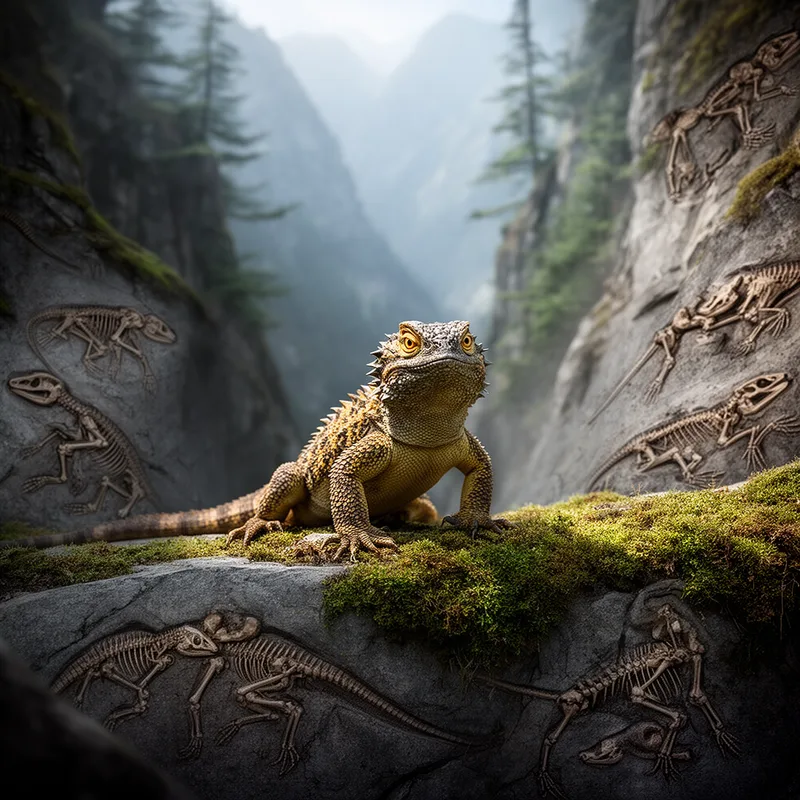
- Relict animals, survivors from an earlier time when they were widespread, do exist on a small scale.
- relict populations
Examples
-
The ancient glacial lake is home to several relict species that have survived from a time when the climate was much colder.
-
The continued presence of the northern flying squirrel in contemporary and changing landscapes at lower latitudes confirms the existence of relict boreal or montane coniferous forest communities (Smith 2007, Smith et al. 2011).
Academic text (2012) -
However, occupied and relict sites were found throughout all aspect categories.
Academic text (2017) -
Outliers of both high and low temperatures were noted at several relict sites.
Academic text (2017) -
For all other ranges, occupied sites were cooler and characterized by lower maximum July temperatures than relict sites.
Academic text (2017) -
Over our study area, only the relict Black Rock Range sites fell within GAP-predicted occupied habitat (n = 4).
Academic text (2017) -
My acquaintance with the Sahara cypress began ten years ago when I was studying relict populations of fir trees in the mountains of Morocco.
Academic text (1991) -
Median elevation of occupied sites was higher than that of relict sites in 3 of the 7 ranges and was roughly equal between the 2 occupancy categories in the Hays Canyon Range.
Academic text (2017) -
Scientists studied a relict population of trees that thrived in the region long before modern development altered their habitat.
-
In the remote island ecosystem, the discovery of a relict organism provided insights into the biodiversity that existed millions of years ago.
How Rare

Surface Forms
Etymology
Relict comes from the Latin relictus, which means 'left behind', and is like the word relic for something from the past. So a biological relict is a species that still lives as a 'left behind' part after others died out or the environment changed.