
releaser
- noun
- /rɪˈliːsər/
- Specialized
- A loud noise is a releaser.
Examples
-
Researchers identified the sound as a releaser that triggered the animal's defensive response.
-
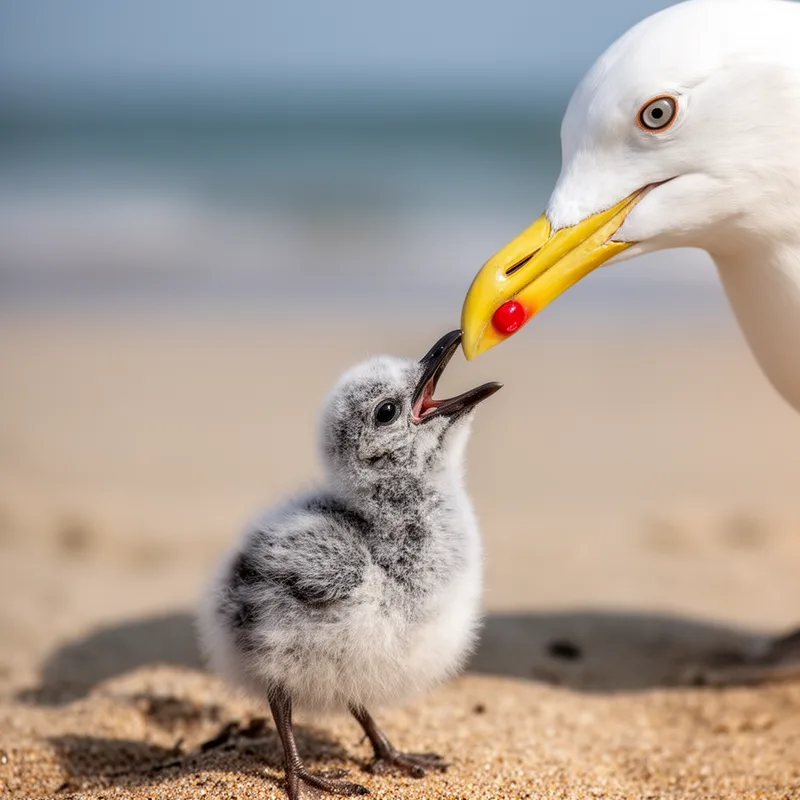
A red spot on the beak acts as a releaser for pecking behavior in young gulls.
-
The scent of a female moth serves as a releaser for male moths to begin searching for a mate.
-
The bright light acted as a releaser for the bird's mating behavior.
-
Seeing the bright colors of the food acted as a releaser for the birds, prompting them to peck at the seeds.
-
The sound of the bell was a natural releaser, making the dogs instinctively run to the doorway.
-
The scent of the pheromones served as a releaser, triggering the mating behavior in the insects.
Synonyms

Something that makes a plant start a defense reaction
Antonyms



Surface Forms
Morphology
Etymology
Releaser comes from release ('to set free'), and in animal study a signal can 'set free' an automatic action, so a releaser is the stimulus that makes an animal do a specific behavior.