
reinfestation


 1
7.5
- noun
- /ˌriːɪnˈfɛsteɪʃən/
- The study of syphilis, with the use of prehistoric human remains as evidence, has provided humankind with one of the best documented records of the complex origin, spread, and reinfestation of a population by a contagious and deadly disease.
Examples
-
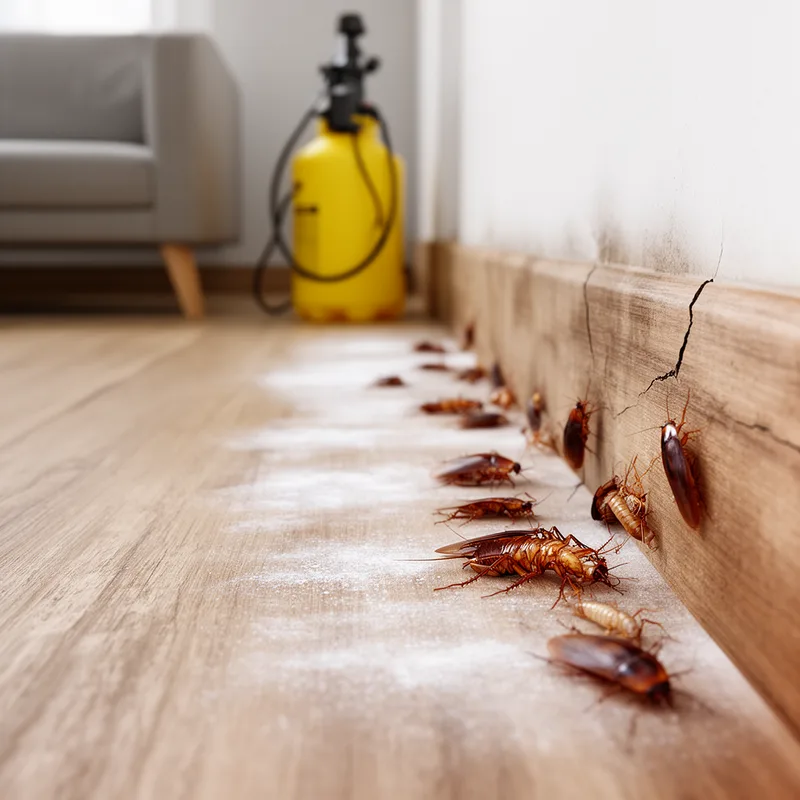
To avoid reinfestation, it is essential to seal any cracks in the foundation after pest control.
-
A key objective is learning more about how reinfestations or recolonization of a treated area can occur.
Academic text (2000) -
Researchers are also examining ways to preserve native ants, which are thought to slow reinfestation of areas by imported fire ants.
Academic text (2004) -
Effective spraying or injection was virtually impossible in very large and dense infestations, and there was no guarantee against reinfestation of lands cleared by chemicals.
Academic text (1992) -
First, there was no provision for keeping the prickly pear off unoccupied crown lands, which often became reservoirs for reinfestation of nearby cleared leasehold or freehold lands.
Academic text (1992) -
After treatment, the homeowner took precautions to prevent reinfestation by pests.
-
The garden was treated for insects, but reinfestation occurred when nearby plants were not treated.
How Severe

Surface Forms
Morphology
reinfestation = infestation (transparent) = re + infest + ation
Adding 're-' to 'infestation' straightforwardly gives the meaning 'infestation again'.
Etymology
Reinfestation starts with re- meaning 'again' and the rest comes from infest, which is like when pests 'invade' a place. So, reinfestation means pests or parasites have come back to a place after you thought they were gone.