
regulation
 20
8.2
20
8.2

- noun
- /ˌrɛɡjʊˈleɪʃən/
- Specialized
- Of course, not all resistance to market-based environmental regulation stems from narrow self-interest.
- self-regulation
Examples
-
Other open-access methods of regulation also increase fishermen's costs of harvesting a given quantity of fish.
Academic text (1991) -
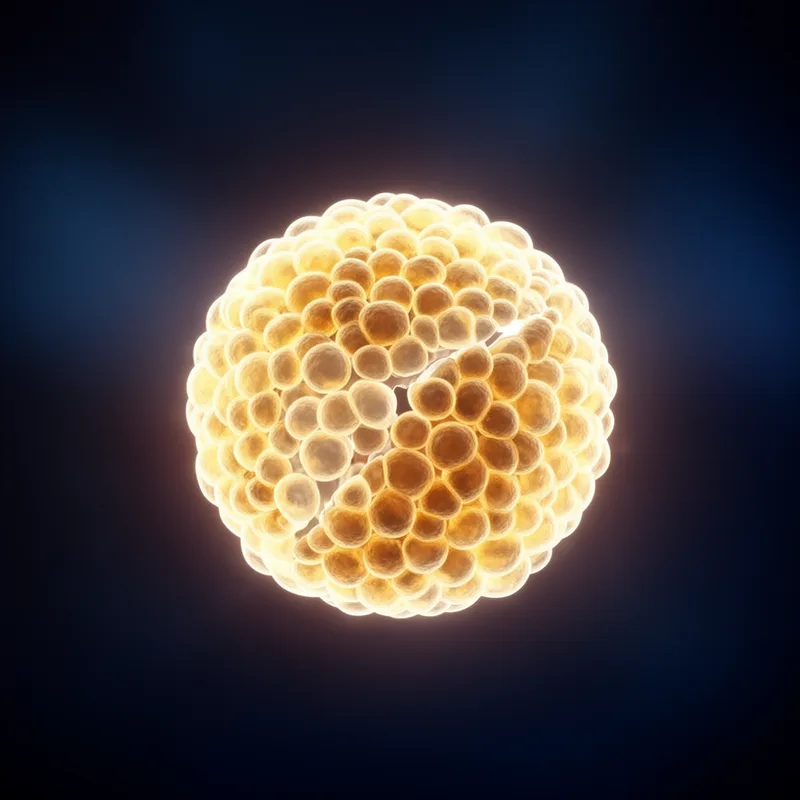
The embryo showed remarkable regulation even after its structure was altered during early development.
-
The Page Law thus marks the beginning of direct federal regulation of immigration.
Academic text (1999) -
Thus, as respondents suggested, it is questionable whether the direct threat regulation should apply here.
Academic text (2017) -
First, we will introduce the theory of regulation developed to understand periods of capitalist growth and crisis.
Academic text (1999) -
Wilson first took a vigorous statutory approach toward regulation of all combinations.
Academic text (2013) -
Scientists observed how effective regulation of the embryo can lead to successful growth despite initial damage.
-
Understanding regulation in embryos helps researchers identify ways to support normal development after injury.
Compounds

- Jargon
1
3.4
The normal time allowed for a game by the rules, not including extra time
Surface Forms
Morphology
Etymology
Regulation comes from the Latin regula 'rule' and the root reg- 'to guide'. In biology this idea became the way an embryo is 'guided' back to the right form, so regulation is the process that helps early development continue correctly after change or damage.