

refractiveness
- noun
- /rɪˈfræktɪvnəs/
- Specialized
- The refractiveness of water is responsible for the bending of a straw in a glass.
Examples
-
Scientists measure the refractiveness of substances to design better optical lenses.
-
The refractiveness of the glass affects how light passes through it.
-
Different materials have varying degrees of refractiveness that affect how light travels through them.
-
High refractiveness is essential for optical lenses.
-
Scientists measure the refractiveness of substances to design better optical lenses.
-
Different materials have varying degrees of refractiveness that affect how light travels through them.
-
The refractiveness of water is responsible for the bending of a straw in a glass.
Synonyms

 1
6.1
1
6.1

A number that shows how much a material slows light compared with empty space
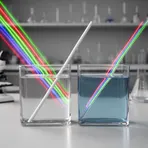
The amount a material bends light and other waves
How Refractive
- Specialized

- Specialized
Surface Forms
Morphology
refractiveness = refractive (transparent) = refract + ive + ness
The noun is formed by adding the productive suffix '-ness' to the adjective 'refractive', so the meaning is directly derived.
Etymology
The word refractiveness comes from Latin parts re- 'back' and fract 'to break', the same root you see in fracture and fragment. Think of light 'breaking' and changing direction when it passes into a material; that's why refractiveness means how much a material bends light.