
to redig
- verb
- /ˌriːˈdɪɡ/
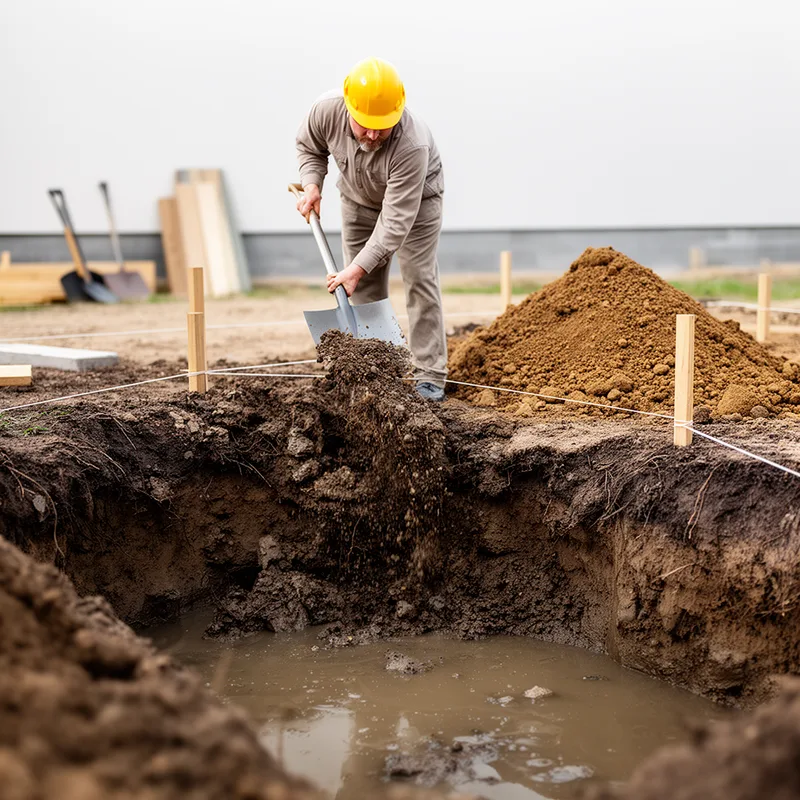
- The construction crew had to redig the foundations after discovering a plumbing issue.
Loading YouTube…
Watch on YouTubeyou know, do you having to redig maybe back through the process of investing and just looking at that company again?
- you know, do you having to redig maybe back through the process of investing and just looking at that company again?
Examples
-
There was no sense in digging too big a hole, and it would be a waste to have to redig if it was not large enough.
Fiction book (2001) -
No no no it'll take hours to redig, it's over Bill, forget it.
-
you know, do you having to redig maybe back through the process of investing and just looking at that company again?
-
(The shorter squiggly line is where Husband had to redig the water.
Blog text (18) -
"We can't redig Gatecliff, we can't redig Alta Toquima, but if we did it again we'd be sure to have a big native component," Thomas says of the Nevada sites.
Academic text (2007) -
"We can't redig Gatecliff, we can't redig Alta Toquima, but if we did it again we'd be sure to have a big native component," Thomas says of the Nevada sites.
Academic text (2007) -
After the recent storm, they needed to redig the trenches to fix the drainage.
-
She realized it was necessary to redig the area for the new landscaping design.
Surface Forms
Morphology
Etymology
Redig comes from the prefix re- meaning 'again' and the verb dig, so it literally means 'dig again'. So, to redig is to dig something again after it has already been dug.

