
to rectify
- verb
- /ˈrɛktɪˌfaɪ/
- Specialized
Examples
-
But that's not how we rectify unstable paint.
-
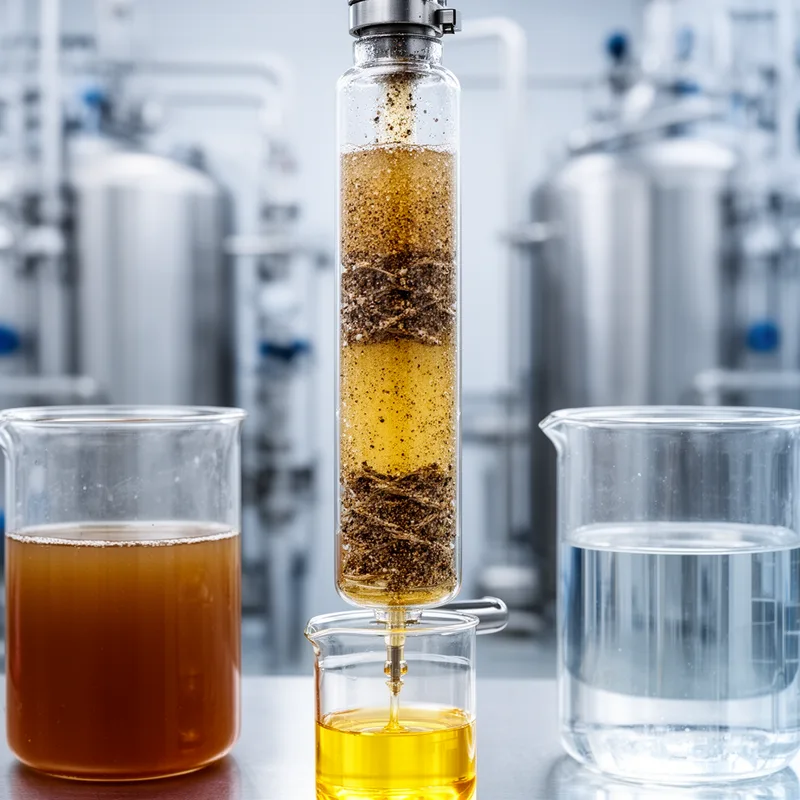
The technician needs to rectify the solution by removing the impurities before the experiment can proceed.
-
To achieve high quality, it is essential to rectify the alcohol using distillation to ensure it is pure.
-
The chemist plans to rectify the mixture by separating out the unwanted elements through distillation.
Synonyms

 41
3.9
41
3.9

Remove unwanted parts from a material to make it pure
 30
4.6
30
4.6
To remove dirt and bad chemicals from water or air to make them clean
To boil a liquid again and collect the steam to make it purer
Antonyms

How Pure

Surface Forms
Morphology
rectify = rect + ify
The sense 'purify by distillation' is a specialized/technical meaning (make pure) that most learners will not derive from the morphemes alone despite the productive suffix '-ify'.
Etymology
Rectify comes from the Latin root rect- meaning 'right' or 'straight', the same root you see in correct. So to rectify a liquid or substance is to 'make it right' by removing bad parts, which is why it means 'to purify'.