
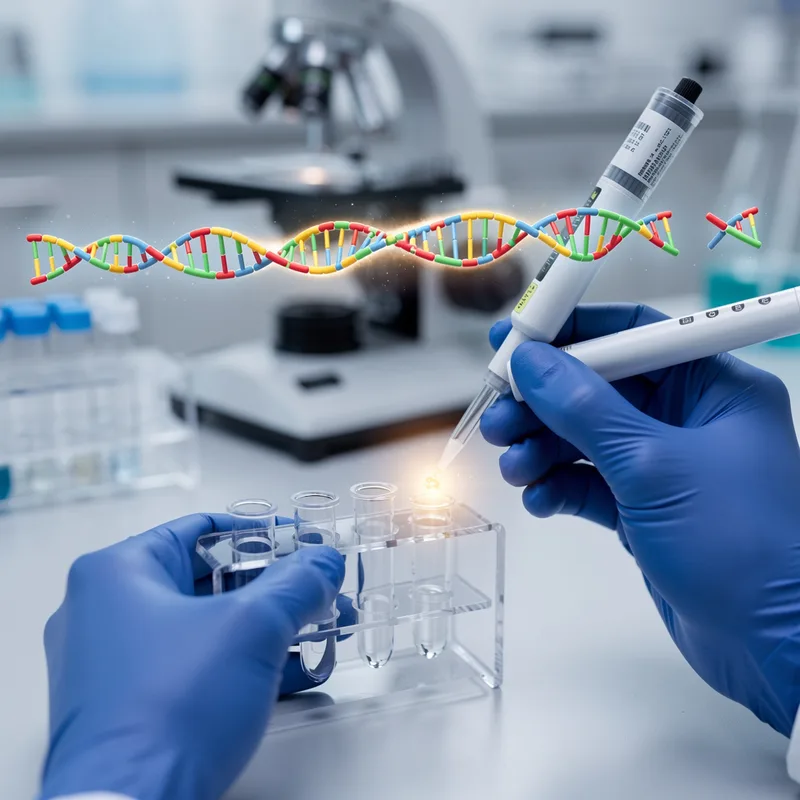
to recombine
 1
6.4
1
6.4

- verb
- /ˌriːkəmˈbaɪn/
- Specialized
- Viruses can recombine their genetic material to adapt to new environments.
- recombine genetic material
Loading YouTube…
Watch on YouTubeAnd inside his own body, those two recombined to produce a brand new virus.
- And inside his own body, those two recombined to produce a brand new virus.
Examples
-
As eggs or sperm develop within a trout's body, the chromosomes within those cells exchange—or recombine—genetic material.
Academic text (2003) -
You know, genome chromosomes recombine in a completely random fashion.
-
Many years later, AIDS agents were found to recombine with high frequency.
Academic text (2013) -
And inside his own body, those two recombined to produce a brand new virus.
-
Viruses were indeed able to recombine, despite lacking sexual reproduction.
Academic text (2013) -
The W chromosome, which makes female birds, does not recombine.
Academic text (2002) -
Influenza A also infects animals that live in close proximity to humans and they can recombine in those particular animals.
-
When a gene on a more typical chromosome mutates, the chromosome can still recombine with its twin.
Academic text (2002) -
New resources, like the Collaborative Cross, are leading the way, allowing researchers to enjoy the best of both worlds: genetically defined inbred strains recombined to generate population heterogeneity.
Blog text (21) -
The scientist explained how different DNA strands can recombine during cell division.
Synonyms
 8
6.8
8
6.8
To join pieces of DNA to make new gene combinations
 3
7.0
3
7.0
To cross two different plants or animals to make a new kind
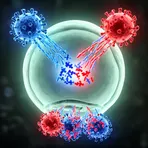
To mix genes from two viruses to make new strains

To mix pollen from two different plants to make new kinds
Antonyms
How Mixed
- Specialized
1
6.4

- Specialized
255
2.3
20
2.7
416
1.0
Surface Forms
Morphology
Etymology
Recombine is made of re- ('again') and combine ('put together' or 'mix'), so it means 'mix again'. In genetics, to recombine is when DNA or genes mix again to create new combinations.