
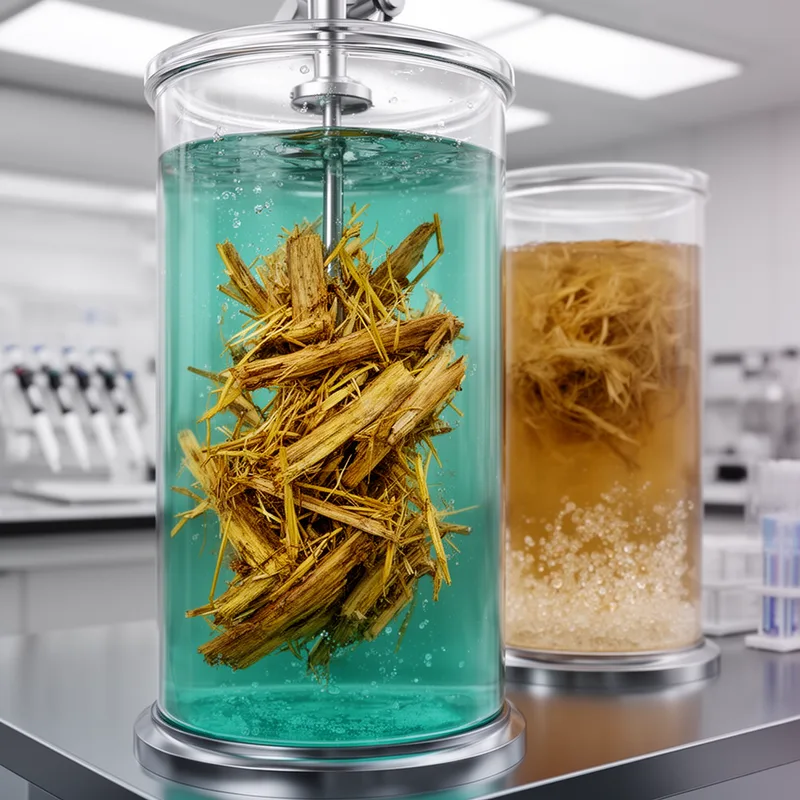
recalcitrance
- noun
- /ˌriːˈkæl.sɪ.trəns/
- Specialized
- High lignin content increases plant cell wall recalcitrance, making enzymatic breakdown more difficult.
Examples
-
The recalcitrance of certain plant species complicates biofuel production.
-
Researchers work to reduce recalcitrance in biomass to improve biofuel yields in pilot plants.
-
The team pretreated the straw to lower recalcitrance before fermentation in the lab.
-
Researchers are studying recalcitrance in biomass to improve efficiency.
-
In biomass science, the recalcitrance of certain plants can complicate the process of converting them into biofuels.
-
The recalcitrance of the plant material makes it difficult for researchers to break it down into useful sugars.
-
Scientists study the recalcitrance of biomass to improve the efficiency of biofuel production.
Surface Forms
Morphology
recalcitrance = recalcitrant (semi-transparent) = recalcitrant + ance
The technical sense extends 'resistance' to a specialized scientific property (biomass resistance), so the derivation is clear but domain-specific.
Etymology
Recalcitrance comes from Latin parts re- 'back' and calcitrare 'to kick', giving the image of 'kicking back' against something. In biofuel work, recalcitrance means plant material 'kicks back' and does not break down easily, so it is hard to turn into fuel.

