
to realize
 1
9.9
1
9.9

- verb
- /ˈriːəlaɪz/
- Specialized
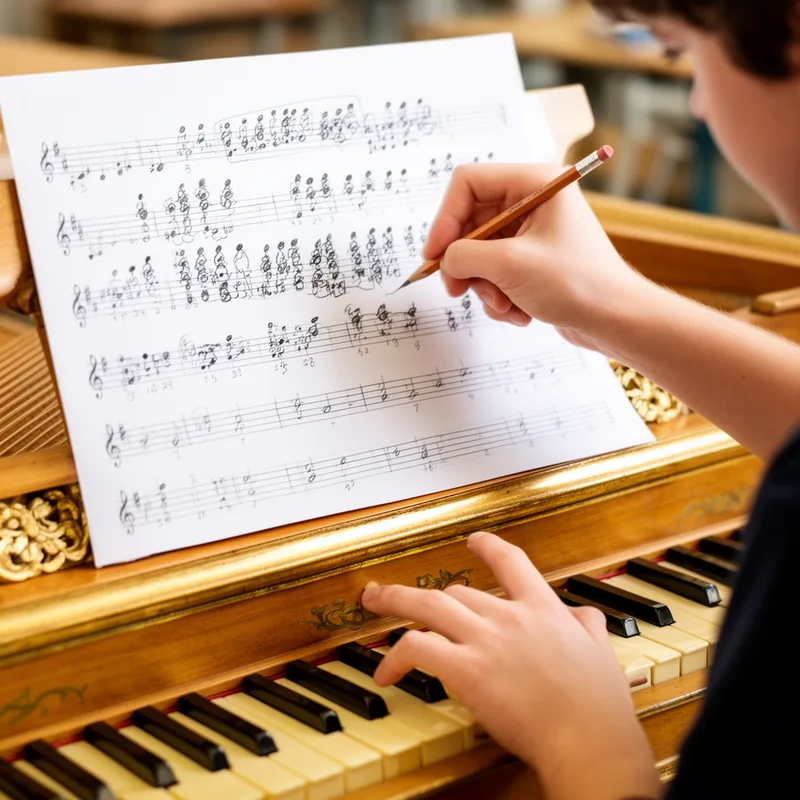
- To enhance the composition, the pianist decided to realize the background harmonies in the score.
Examples
-
Once a single musical line has been realized through the recording, students can transcribe it through playback and notate it in writing or even work toward replicating it back on a musical instrument.
Academic text (2015) -
When performing a baroque piece, musicians must realize the harmonies indicated in the figured bass.
-
If the source is a lead sheet, then realize that it provides only minimal information (melody and chords).
Academic text (2010) -
One need only note the sales figures of classical recordings, the rosters of concert series, and the increasing number of college degree programs in early music to realize that performances based on historical premises have become very important to the classical music audience.
Academic text (1993) -
The political divide between the physically disconnected West Bank and Gaza also must be bridged if Palestinian statehood is to be realized.
Academic text (2011) -
In the arrangement, it's important to realize the chord progressions as suggested by the lead sheet.
Surface Forms
Morphology
Etymology
Realize in music keeps the same idea of 'making real'. A musician 'realizes' a figured bass by filling in the chords the composer suggested, so the music sounds complete.