
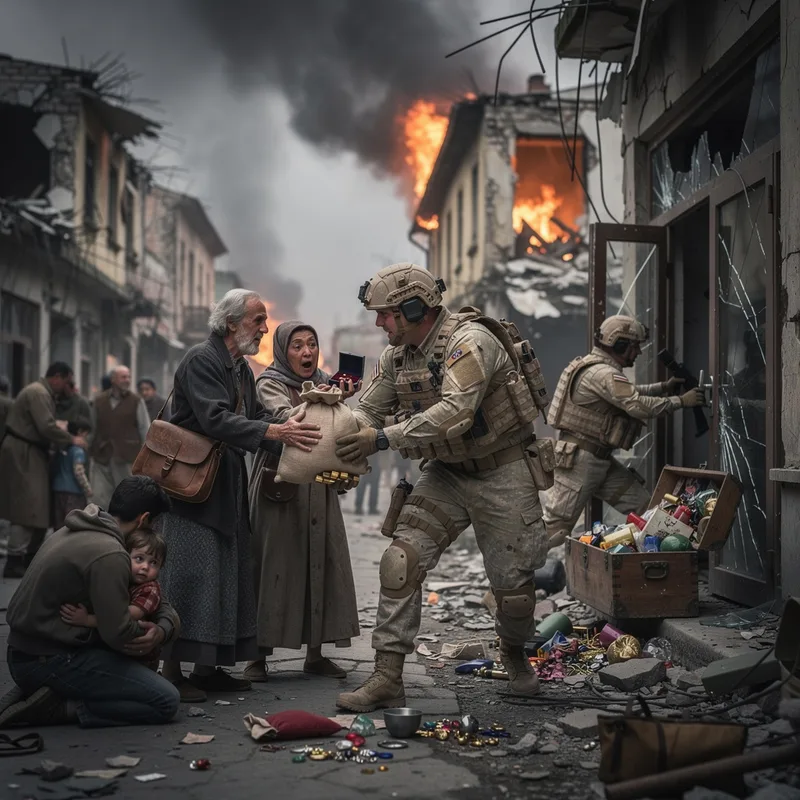
rapine
 1
9.9
1
9.9

- noun
- /ˈræpɪn/
- Archaic
- Historical records describe the rapine that occurred during the war, leading to widespread devastation.
Examples
-
The D'Medveds had come to Kara Zamak expecting to swoop down on a castle full of women, enjoying a little honest rapine and plunder.
Fiction book (2000) -
The invading army committed acts of rapine, stealing food and valuables from the villages.
-
I sense rapine and plunder.
Fiction book (1994) -
Why are these countries given over to pride, these states devoted to rapine, these peoples to whom murder is taught, as if murder were their duty?
Blog text (24) -
This regulation, not a ban, is a small victory for our precious Mother Earth against the continuous rapine of the corporate oil plutocracy.
Blog text (20) -
Civilization as we knew it would collapse, and we'd have race riots, food riots, pillaging, rapine, human sacrifices... all that.
Blog text (24) -
As queen of England, she administers, presumably enthusiastically, a retrograde, feudal economic system based on antagonism, rapine, and deceit.
Academic text (2003) -
According to Ripa, in the 1603 edition of the Iconologia, the wolf and rapine share a violent nature, and each seizes its prey or booty unlawfully.
Academic text (1996) -
The novel depicts the horrors of rapine as soldiers pillaged towns, leaving destruction in their wake.
Synonyms
 ∞
2.8
∞
2.8
The use of physical force that hurts people or damages things
 72
4.9
72
4.9
Stealing things from shops, often during a riot or disaster
 22
9.9
22
9.9
The violent taking and destruction of land and goods during war
 7
7.7
7
7.7
Taking things from places like shops during war or disaster
Antonyms


How Violent

Surface Forms
Etymology
The word rapine comes from the old Latin root rapere, which means 'to seize' or 'to snatch' and is the same root in raptor, a bird that grabs its prey. So rapine means violent seizing and looting — taking goods by force, especially during war.