
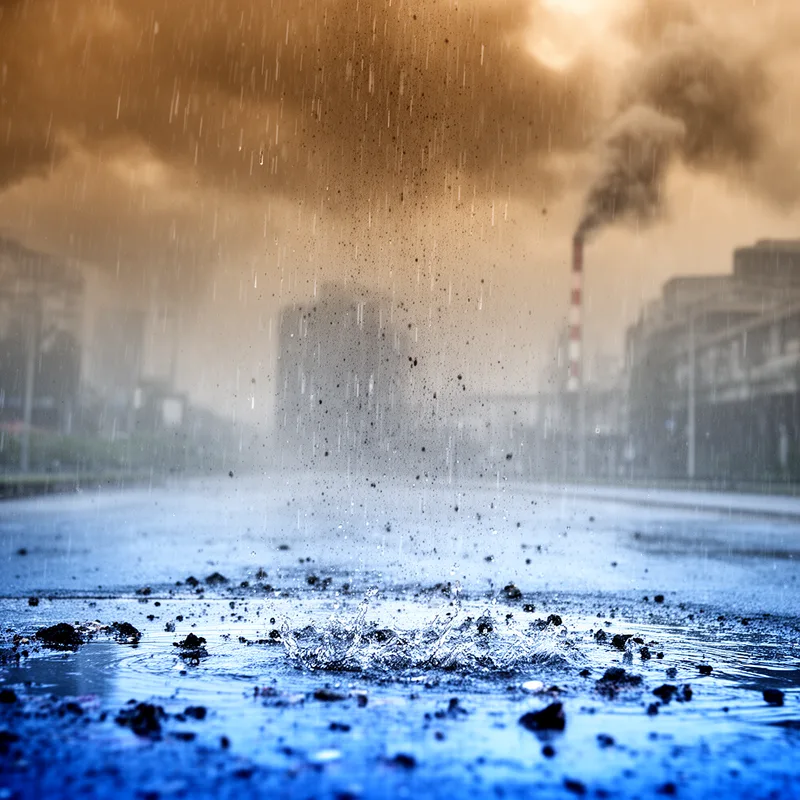
rainout


 1
7.1
- noun
- /ˈreɪnˌaʊt/
- Specialized
- The rainout process helps clear harmful particles from the atmosphere during periods of frequent rainfall.
Examples
-
The rainout helped clear the air after the wildfire.
-
After the volcanic eruption, rainout contributed to the removal of ash from the air.
-
Scientists measured the rainout of pollutants after the heavy storm to understand its impact on air quality.
-
Many cities benefit from a rainout during the summer months.
-
The rainout effectively cleaned the city's air, washing away dust and pollutants.
-
After the rainout, visibility improved as the skies cleared from the airborne particles.
-
Scientists studied the effects of rainout on urban environments, noting reduced pollution levels.
Surface Forms
Morphology
Etymology
Rainout comes from rain and out, with the idea that rain takes things 'out' of the air and drops them on the ground. So in science a rainout is the process where rain removes dust, ash, or pollution from the air.