

radiata


 1
7.3
1
7.3
- noun
- /ˌreɪdiˈɑːtə/
- Specialized
 :
pino radiata
:
pino radiata
- Radiata pines have an impressive transpiration potential, but the water-using capacities of the usually spaced-planted deciduous genera are significantly lower.
- radiata pine
Examples
-
The forestry industry relies heavily on radiata pine for its fast growth and quality timber.
-
This was the case with forestry, where a rapidly expanding supply of plantation-grown radiata pine and eucalyptus, together with Chile's existing native forests, stimulated investments in pulp and paper plants, plywood production, and furniture factories.
Academic text (2001) -
For example, hundreds of thousands of acres of forest plantations have been established in Australia to grow the exotic Monterey pine (Pinus radiata).
Academic text (1990) -
Thomas reports strong attachments to Australian plantations of introduced radiata pine as the nearest equivalent to the "intoxicating" smell of Macedonian pine forests—to the extent that people buy holiday houses near them.
Academic text (2004) -
In California, radiata pine plantations are common sights, offering sustainable sources of lumber.
-
Many builders choose radiata pine for framing due to its strength and availability.
Synonyms
 1
5.2
1
5.2
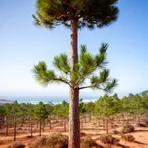
A tall pine tree from California with long needles in groups of three, often grown for wood

A tall pine tree with long needles in groups of three, grown for wood
Compounds

- Specialized
A monkey from southern India with a hat-like tuft of hair on its head

- Specialized
A cold-water fish that lives on the sea floor with sharp spines on its back

- Specialized
A bushy plant that grows in warm countries and produces edible mung beans and bean sprouts
Surface Forms
Etymology
Radiata comes from the Latin root radius meaning 'ray' or 'spoke', the same idea you see in English words like radiate and radius. A helpful image to remember the Monterey pine called radiata is its needles and branches spreading out like rays, which is why the tree has that name.