
to quicken
 1
9.5
1
9.5

- verb
- /ˈkwɪkən/
- Specialized
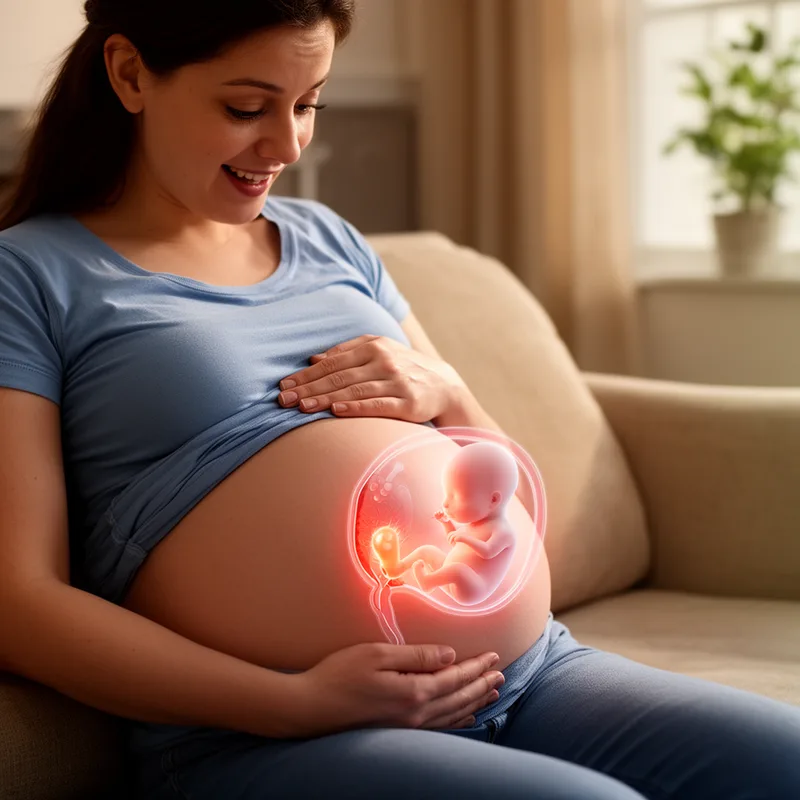
- After several months, the fetus began to quicken, and the mother could feel the movements in her belly.
Examples
-
And so it was—alive, quickening, growing.
Fiction book (1992) -
First, and her heart quickened measurably at the thought, she would see Julia's baby, the infant girl meant to be Susannah's own namesake.
Fiction book (2001) -
By then, the baby was close to quickening, as they said in British law.
Fiction book (1994) -
As soon as my life quickened within them, the women became ill.
Fiction book (2001) -
Susannah continued to rock gently back in the chair, the baby resting warm, solid, and milk-fragrant in her arms, though something had quickened within her.
Fiction book (2001) -
The doctor explained that many expectant mothers start to notice their baby quickening around the fifth month of pregnancy.
-
As the weeks passed, she eagerly anticipated the moment when she would feel her baby quicken for the first time.
Phrasal Verbs


Surface Forms
Morphology
Etymology
The word quicken comes from the old English quick meaning 'alive' with the verb ending -en, and long ago people used it for the first signs of life in the womb. So when a fetus 'quickens' it begins to show movement or signs of life.