
pyrrhic
- adjective
- /ˈpɪrɪk/
- Literature
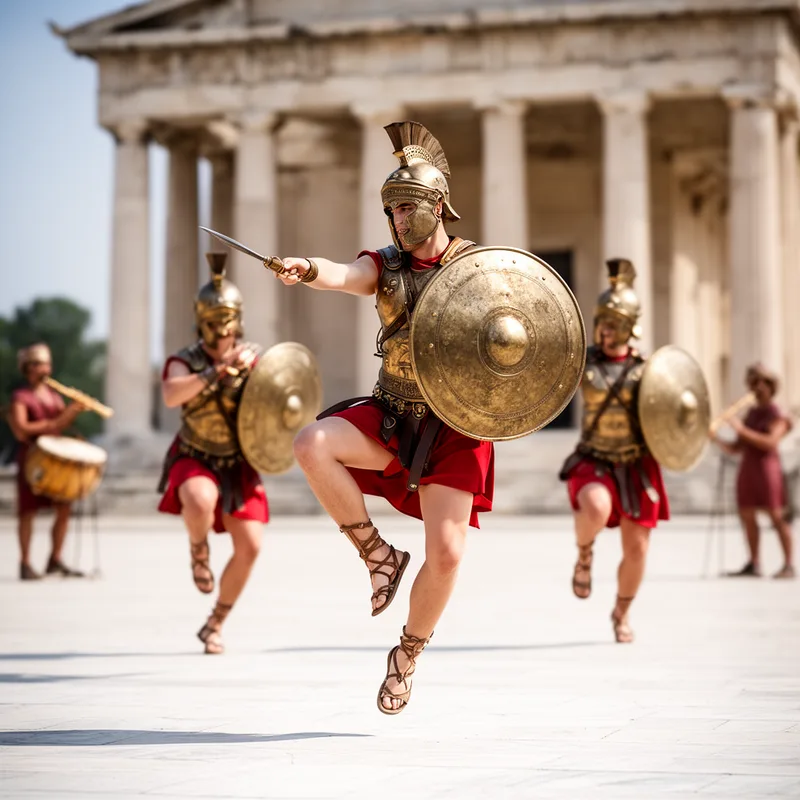
- The dramatic pyrrhic dance captivated the audience, showcasing the ancient Greek tradition of mimicking combat.
Examples
-
The warriors performed a pyrrhic dance to simulate their battle movements before the real fight.
-
In the festival, the dancers showcased a pyrrhic performance, filled with swift footwork and exaggerated gestures of battle.
-
Men directing their weapons against each other, under doom of death yet neatly lined up to fight as in the pyrrhic sword-dances of their sport, this is enough to tell us that all human intentions are but play, that death is nothing terrible, that to die in a war or in a fight is but to taste a little beforehand what old age has in store, to go away earlier and come back the sooner.
Blog text (4)
Compounds



Surface Forms
Etymology
Pyrrhic (relating to the dance) comes from the Greek pyrrhichē, the old 'war dance' used in military training and festivals, so calling something pyrrhic links it to the quick, martial steps of that dance. This explains why the adjective describes movements like those in the ancient dance.