
pyromancy
- noun
- /ˈpaɪrəˌmænsi/
- Literature
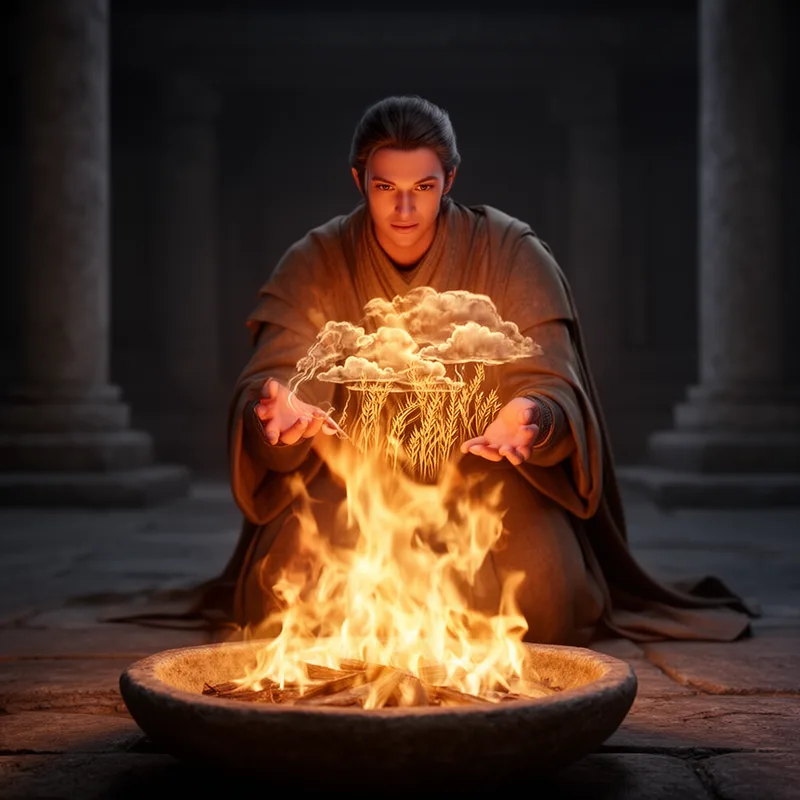
- Legends describe how oracles used pyromancy by reading the shapes in dancing flames.
Examples
-
The ancient priest practiced pyromancy to predict the outcome of the harvest.
-
In some cultures, pyromancy was considered an important tool for making decisions.
-
The ancient art of pyromancy fascinated many scholars.
-
Are you familiar with pyromancy as a form of divination?
-
Legends describe how oracles used pyromancy by reading the shapes in dancing flames.
-
In some cultures, pyromancy was considered an important tool for making decisions.
-
The ancient priest practiced pyromancy to predict the outcome of the harvest.
Synonyms

 8
9.9
8
9.9

The act of trying to find the future using magic or signs

A way of trying to tell the future by watching water
The use of stones to tell the future by looking at their patterns
Surface Forms
Morphology
pyromancy = pyro (opaque) = pyro + mancy
The term uses a classical combining form and a specialized suffix, so an average learner is unlikely to infer the meaning from the parts alone.
Etymology
Pyromancy comes from the Greek parts pyro- 'fire' and -mancy 'predicting the future'. It literally means 'reading the fire', which is why it refers to predicting the future by watching the shapes and movement of flames.