
pyridyl
- adjective
- /ˈpɪrɪdɪl/
- Specialized
- Adding a pyridyl substituent can change the properties of the compound.
Examples
-
The chemist identified a pyridyl group attached to the aromatic ring.
-
Researchers studied the effects of pyridyl derivatives in pharmaceutical development.
-
The pyridyl group enhances the reactivity of the compound.
-
Researchers synthesized a new pyridyl derivative.
-
The chemist identified a pyridyl group attached to the aromatic ring.
-
Adding a pyridyl substituent can change the properties of the compound.
-
Researchers synthesized a new pyridyl derivative.
Surface Forms
Morphology
pyridyl = pyridine (semi-transparent) = pyrid + yl
Formed from the noun 'pyridine' with the productive chemical suffix '-yl', but understanding requires domain-specific chemical knowledge.
Etymology
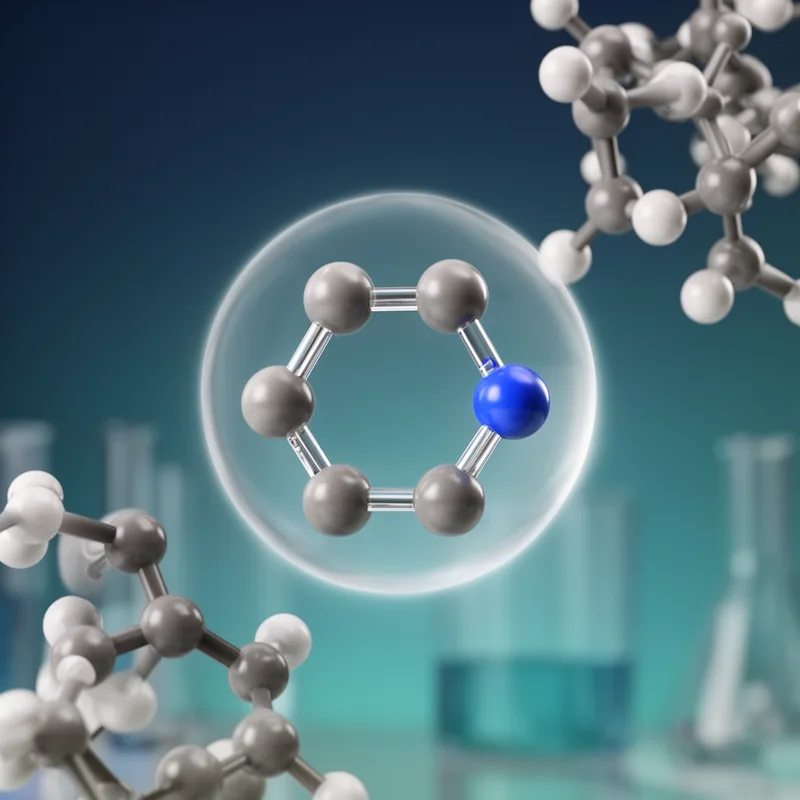
Pyridyl comes from the chemical name pyridine, a small ring with a nitrogen, plus the ending -yl, which chemists use to mean a 'group' taken from a molecule. So, to describe something as pyridyl is to say it relates to or contains a part from pyridine.

