

pustulant
- adjective
- /ˈpʌstjələnt/
- Specialized
- She treated the pustulant wounds with antiseptic to prevent further infection.
Examples
-
After the hike, he noticed several pustulant spots on his legs, which worried him.
-
A pestilent, pustulant infection burrowing its way into our souls.
-
We did not return to the States until several years later, when black pustulant sores began to erupt in our five-year-old daughter's flesh.
Fiction book (1995) -
The doctor diagnosed him with a pustulant rash after he complained about the painful sores.
Synonyms
 1
9.9
1
9.9

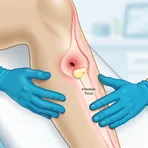
Having pus that comes from an infected wound


 1
9.9
1
9.9
Causing a wound or sore to fill with pus
 1
8.3
1
8.3
Having small blisters filled with pus on the skin
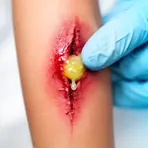
Causing a wound or infection to make pus
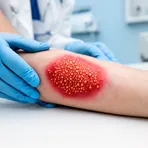
Covered with small pus-filled bumps on the skin, often from an infection
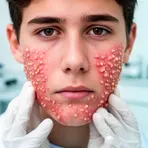
Skin that has many small pus-filled bumps
Antonyms

How Pus-filled

Surface Forms
Morphology
Etymology
Pustulant comes from the Latin pustula, meaning 'small blister', and is the same root as English pustule and the word pus. So pustulant describes skin or sores that have or produce pus, like a bad pimple.