
to pupate
 2
8.1

- verb
- /ˈpjuːpeɪt/
- Specialized
- The fly then pupates in the ant's head capsule, which is lying in the bottom of the nest among the other ants.
- pupate and emerge
Loading YouTube…
Watch on YouTubeAnd the beetle will then grow, pupate and needs to leave.
- And the beetle will then grow, pupate and needs to leave.
Examples
-
The Catalpa worms aren't really worms; they are larvae, and they will pupate before winter and overwinter that way.
Blog text (30) -
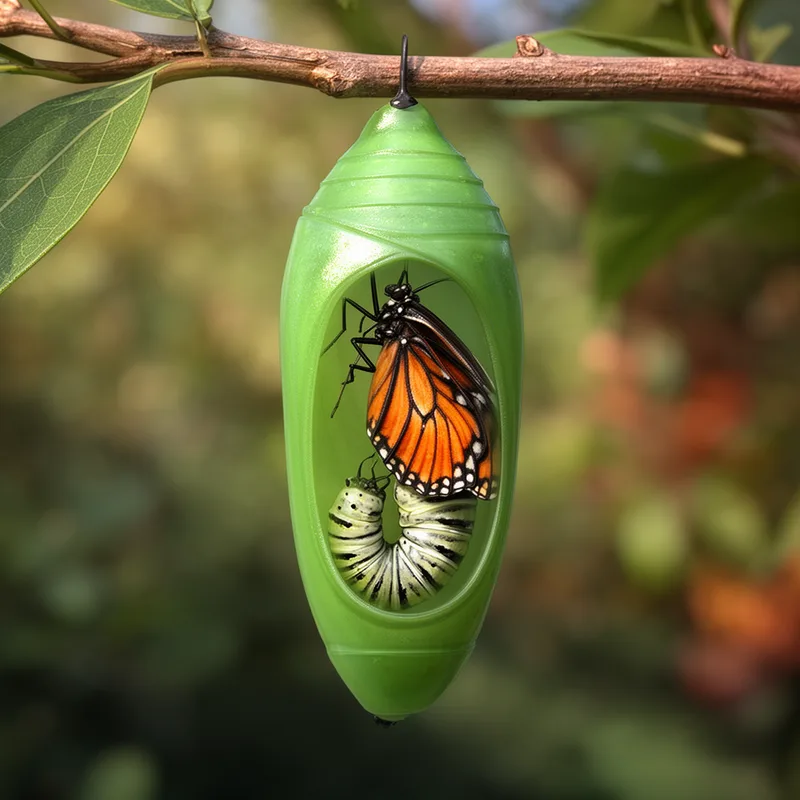
Some caterpillars spin large amounts of silk at the end of their period of larval growth, forming a protective cocoon in which to pupate until they emerge as butterflies or moths.
Academic text (1994) -
Next, we asked them when they pupated.
Fiction book (2002) -
After 1 to 2 weeks of such feeding, the young wasps pupate, then emerge as fully formed adults in another week.
Academic text (2004) -
But at permanently inundated areas, they may drown when trying to find soil in which to pupate.
Academic text (2000) -
The three larvae in the photograph, shown actual size, are nearly ready to leave the rhino gut, pupate, and emerge as adult flies.
Academic text (2006) -
At the end of the third instar, the larva wriggles out of its warble, falls to the ground, and burrows into the soil to pupate.
Academic text (2003) -
So it's not a seasonal bug that simply, you know, pupates, forms its larvae or pupates from a larvae into a beetle, then lays eggs and dies within one year.
-
The egg quickly hatches, and the wasp larva eats all the spider eggs before pupating, leaving the unknowing female spider fiercely guarding a young wasp.
Academic text (1991) -
The larvae must find a safe place where they can pupate and begin their transformation into adults.
Surface Forms
Morphology
Etymology
Pupate comes from pupa, a Latin word meaning 'doll', and is the same root as the English puppet. Think of a pupa as a still 'doll' while the insect changes inside, so to pupate is to become that quiet stage before the adult appears.