

to pulp


 1
6.0
1
6.0
- verb
- /pʌlp/
- Before making jam, you'll need to pulp the strawberries to release their flavor.
Examples
-
Rather than try to pulp them directly, we put them in an electric mixer, mash them well, and add milk (or water).
Blog text (28) -
Just get some, pulp them up, and freeze them.
Blog text (24) -
Now she ate only soups with chunks of meat small enough to swallow, and gruel made of finely ground ricegrass seeds and pulped roots.
Fiction book (1992) -
She decided to pulp the oranges for fresh juice instead of slicing them.
-
To make the sauce smoother, you should pulp the cooked peppers and onions.
Synonyms
 8
1.7
8
1.7
To press fruits or vegetables to get their liquid
Antonyms

Idioms

- Offensive
15
7.6
Hit someone many times until they are badly hurt or win against them very clearly

Compounds

- Archaic
2
7.7
A cheap printed magazine on rough paper with colorful covers and exciting stories

- Specialized
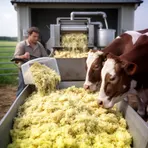
Leftover potato material after removing starch that farmers feed to animals
Surface Forms
Etymology
The word pulp comes from the old Latin word pulpa, meaning 'soft flesh'. To pulp a fruit can mean removing its soft 'flesh' from the skin, so the action keeps the same idea.