
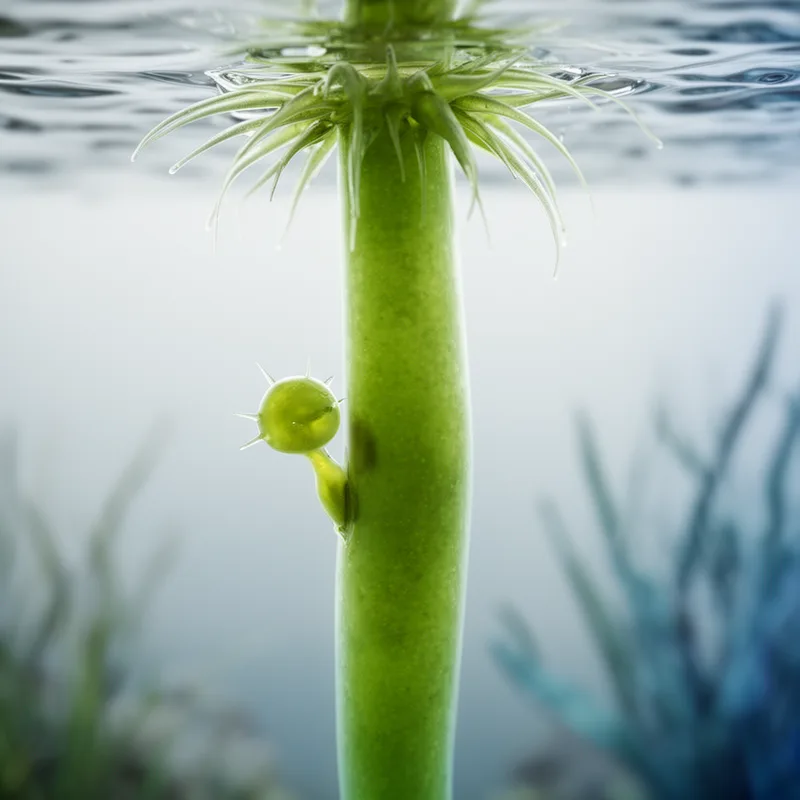
pullulation
- noun
- /ˌpʌlʊˈleɪʃən/
- Archaic
- Certain yeast species reproduce by pullulation, forming new cells from the parent's surface.
Examples
-
In biology class, we studied pullulation as a common form of asexual reproduction in hydra.
-
The process of pullulation can result in rapid population growth among simple organisms.
-
The pullulation of bacteria can lead to infections.
-
In certain conditions, pullulation occurs rapidly.
-
Certain yeast species reproduce by pullulation, forming new cells from the parent's surface.
-
In biology class, we studied pullulation as a common form of asexual reproduction in hydra.
-
The process of pullulation can result in rapid population growth among simple organisms.
Synonyms

A way some simple animals or plants make a new living thing by growing a small bud
Antonyms

- Specialized
 3
3.4
3
3.4

A way plants and animals make seeds or babies when male and female cells join
Surface Forms
Etymology
Pullulation comes from the Latin root pullul- meaning 'to sprout' or 'produce young', giving the picture of small new life growing from a parent. That image explains the biological sense: in pullulation a new living thing grows like a bud from the parent's body, producing young quickly.