
to pull about
- phrasal verb
- UK
- We had to pull about several times before docking safely at the pier.
Examples
-
He often pulls about the old furniture to rearrange the living room.
-
She likes to pull about the papers on her desk until she finds the one she needs.
-
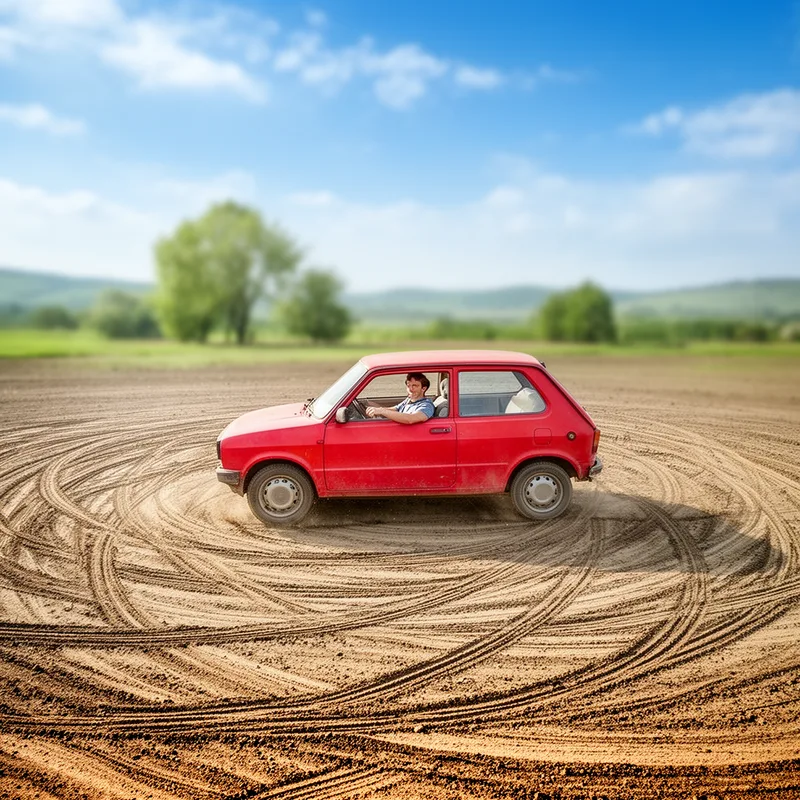
He likes to pull about with his old car in the countryside on weekends.
-
The children pulled about the toy train until it broke.
-
Don't pull about that box too much!
-
She pulls about the furniture every few months.
-
The kids pulled about their toys in the yard, creating a mess everywhere.
Synonyms

 532
3.2
532
3.2

To move a vehicle or animal to the side to stop it

Move slowly and carefully forward to get closer in a crowd

To move around a place with no clear purpose
Antonyms

How Purposeful

Surface Forms
Morphology
The sense 'to move or manoeuvre something around' is directly derivable from combining 'pull' (use force to bring something closer or move it) with 'about' (around/in the vicinity). Verb + about constructions commonly signal moving or handling something around, so a B1 learner who knows both constituents would most likely infer this meaning.
Etymology
The verb pull about comes from the image of someone taking hold and pulling an object about, dragging it here and there like a child who pulls a toy train around the room. So, it now means 'to move or handle something' or 'to change its position in a casual or random way'.