
pulegone


 1
9.9
- noun
- /ˈpjuːlɪɡoʊn/
- Specialized
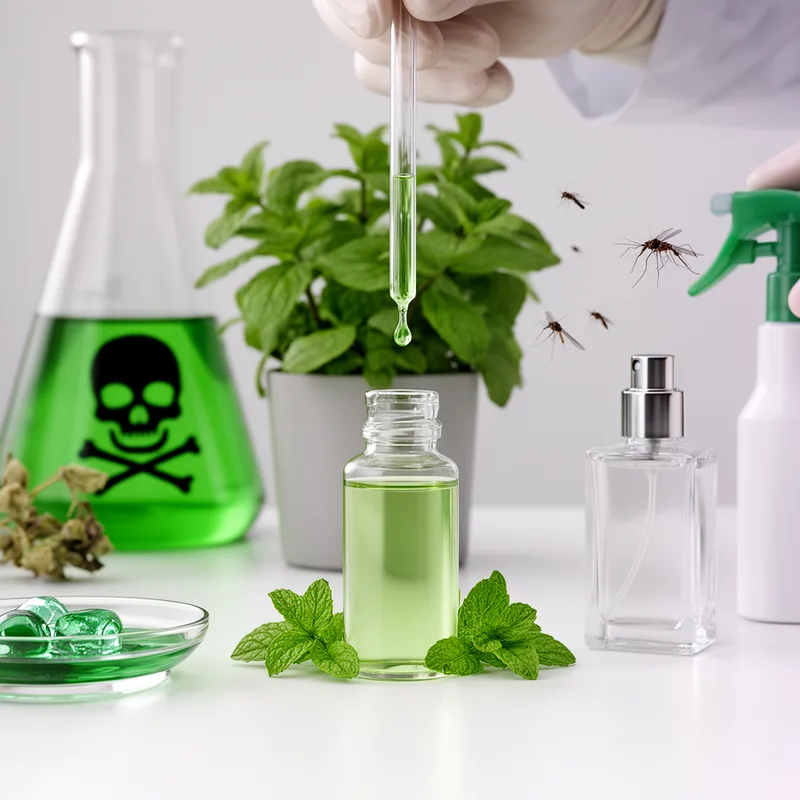
- Scientists extracted pulegone from mint leaves to study its effectiveness against garden pests.
Examples
-
Farmers are exploring pulegone as a safer alternative to synthetic pesticides.
-
The pulegone in peppermint oil is effective against insects.
-
The natural insect repellent contained pulegone as its main active ingredient.
-
Some pulegones can be toxic to pets if ingested.
-
Pulegone is a natural compound found in pulegone oil, making it useful for flavoring various dishes.
-
Insect repellents often include pulegone because of its effectiveness in keeping pests away.
-
Many perfumes use pulegone for its refreshing scent derived from mint-family plants.
Surface Forms
Morphology
pulegone = puleg + one
The combining form 'puleg' is not a standalone English word and '-one' is a specialised chemical suffix, so an average learner cannot derive the meaning from familiar English components.
Etymology
Pulegone comes from the pennyroyal plant name pulegium, which in turn comes from Latin pulex meaning 'flea' because people once used the plant against fleas, and the -one ending is a common ending for many chemical names. So, pulegone is the natural chemical from that mint, which helps explain why it is used in insect repellents and flavorings.