

psilocin
- noun
- /ˈsaɪləˌsɪn/
- NSFW
- Researchers are studying how psilocin affects human perception and cognition.
Examples
-
Many users report feeling euphoric after consuming psilocin.
-
After ingestion, the body quickly converts psilocybin into psilocin, which produces its signature effects.
-
Researchers isolated psilocin from several varieties of hallucinogenic mushrooms for laboratory testing.
-
The legal status of psilocin varies widely around the world due to its psychoactive properties.
-
The effects of psilocin can vary greatly from person to person.
-
Many people report vivid visual experiences after consuming mushrooms containing psilocin.
-
The effects of psilocin can lead to altered states of consciousness and introspection.
Synonyms
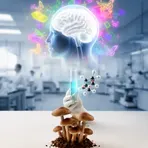
A chemical in some mushrooms that can make people see or hear things that are not real
Surface Forms
Etymology
The word psilocin comes from the mushroom name Psilocybe, which comes from the Greek psilos meaning 'bare', a reference to the mushroom's smooth cap. So psilocin is the chemical first found in those 'bare' mushrooms and is the part that makes people see or feel things differently.

