
pseudohermaphroditism


 1
9.9
- noun
- /ˌsuːdoʊhɜːrˈmæfroʊdɪtɪzəm/
- Offensive
- The diagnosis of pseudohermaphroditism can be complex.
Examples
-
Understanding pseudohermaphroditism requires expertise in both endocrinology and genetics.
-
Many cases of pseudohermaphroditism are identified at birth.
-
Medical literature from the early 20th century often classified certain intersex conditions as pseudohermaphroditism.
-
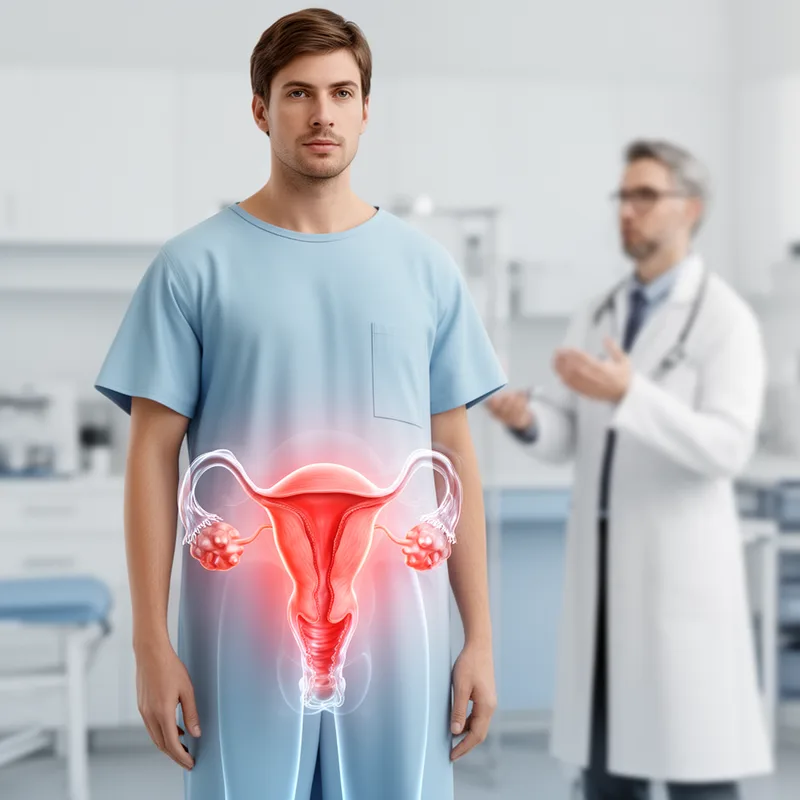
The child was diagnosed with pseudohermaphroditism after doctors noticed a discrepancy between the internal and external reproductive organs.
-
In some cases of pseudohermaphroditism, individuals born with male genitalia may have female internal reproductive organs.
-
The doctor explained that pseudohermaphroditism can occur due to hormonal imbalances during fetal development.
-
Research into pseudohermaphroditism has helped improve the understanding of intersex conditions.
Surface Forms
Morphology
pseudohermaphroditism = pseudohermaphrodite (semi-transparent) = pseudo + hermaphrodite + ism
The word is built from a clear "pseudo-" plus "hermaphrodite" structure, but the medical sense is specialized and not fully predictable from the parts alone.
Etymology
Pseudohermaphroditism comes from pseudo- meaning 'false' and hermaphrodite, a word for having both male and female traits. You can remember pseudo- from pseudonym ('false name'), and the term was used in medicine when a person's outer sex parts do not match the sex organs inside.