
pseudogene
 1
9.3

- noun
- /ˈsuːdəʊˌdʒiːn/
- Specialized
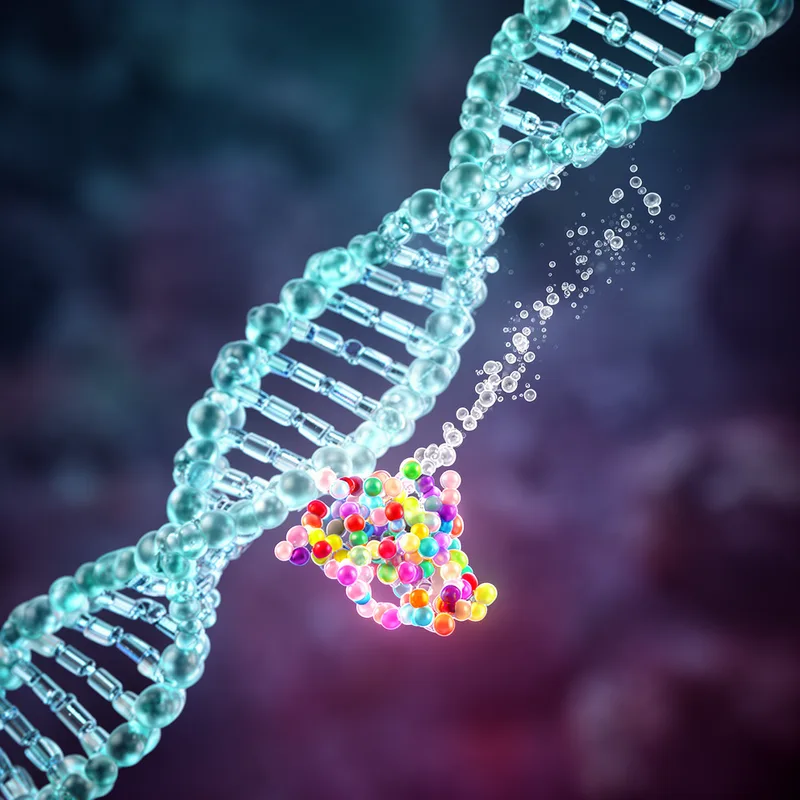
- A pseudogene is a segment of DNA that closely resembles a functional gene but does not produce a protein.
Examples
-
In most cases, such transferred fragments undergo rapid non-functionalization through pseudogene formation and DNA deletion and exhibit very low levels of transcription (37, 65).
Academic text (2018) -
The POU5F1B pseudogene is amplified and expressed at a high level in gastric cancer cells and confers an aggressive phenotype in gastric cancer patients.
Academic text (2016) -
Thus, targeting the expression of NANOG, but especially its pseudogene in cancer cells, might be of highly interesting future therapeutic value.
Academic text (2016) -
In an increasingly industrialized world, smell is probably even less important than it was in the past, so olfactory pseudogenes may become even more common.
Academic text (2002) -
Recently, it was reported that NANOG and its pseudogene NANOGP8 contribute to the high malignant potential of prostate cancer.
Academic text (2016) -
And unless other mutations delete these pseudogenes from the genome, they simply linger, passed down from parent to offspring.
Academic text (2002) -
Known as "pseudogenes," these segments of DNA are the mutated relics of genes that once encoded proteins.
Academic text (2001) -
Known as pseudogenes, these ruined stretches of DNA are an inevitable by-product of the fast-paced evolution of smell in mammals.
Academic text (2002) -
It was shown recently that Oct4 variants and pseudogenes are differentially expressed in normal urothelium and urothelial cancer 66.
Academic text (2016) -
Most of it is satellite repeat sequences, but in between the satellites, there are hundreds of thousands of truncated genes and pseudogenes, all of them in a constant state of cross-generational flux because of transposon activity.
Fiction book (2000)
Surface Forms
Morphology
Etymology
Pseudogene combines pseudo- from an old Greek word meaning 'false' and gene, so it literally means 'false gene'. Think of pseudonym, which means 'false name', because a pseudogene looks like a real gene but does not make a working protein, so it is called 'false'.