
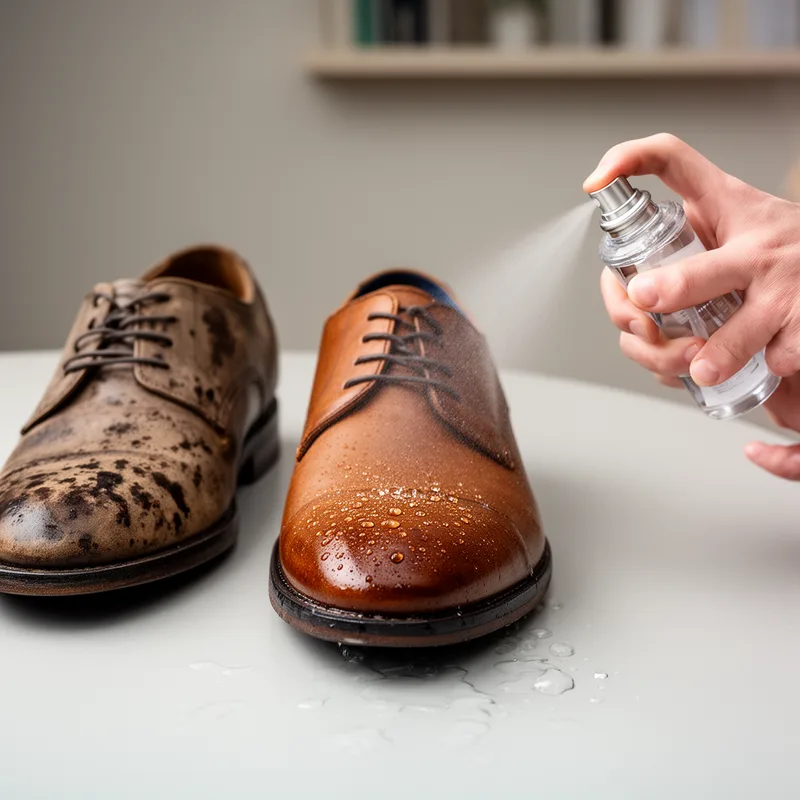
protectant
- adjective
- /prəˈtɛktənt/
- The protectant coating on the car helps prevent scratches and fading from sunlight.
Examples
-
She used a protectant spray on her shoes to keep them safe from water damage.
-
Using a protectant spray on outdoor furniture helps it resist damage from rain.
-
Farmers often apply a protectant substance to crops to guard against pests and disease.
-
This cream acts as a protectant against sunburn.
-
The protectant layer helps to keep the surface safe.
-
She applied a protectant cream to her skin to shield it from the harsh sun.
-
The protectant layer keeps the paint from chipping and enhances its durability.
Synonyms

 11
4.2
11
4.2

A material used on joints and cracks to stop water getting through
 1
2.7
1
2.7
An object placed over something to keep it safe from damage

Something you put over a thing to keep it safe from damage

A protective layer added to something to stop damage
How Protective

Surface Forms
Morphology
Etymology
Protectant as an adjective comes from the verb protect, which in turn comes from the Latin parts pro- 'in front' and tegere 'to cover'. So a protectant thing is one that 'covers in front' to keep something safe.