

prose
 12
4.2
12
4.2

- noun
- /proʊz/
- She was frustrated by the long, tedious prose in the academic paper.
- flowery prose
- purple prose
- bad prose
Loading YouTube…
Watch on YouTubeThe diction is not, you know, it's, it's not beautiful prose or anything like that.
- The diction is not, you know, it's, it's not beautiful prose or anything like that.
- You're dealing with this, this prose that's fit on to a warning label of a, of a canister of of medication.
- I could have overlooked the pedestrian prose the you're making me practice my English girl.
- That evidently Dusty of his prose is much, much more pedestrian and his vocabulary wasn't as as wide as his translated.
- And then Kasad says, did you ever finish your worthless prose poem?
Examples
-
The novel is filled with dull prose that fails to engage the reader.
-
So here's an example of the kind of prose that I have to wade through during my working day.
-
Oh, and the prose, my friends, the prose.
-
It's very much just the prose and it works.
-
I tried not to get too carried away with the prose.
-
Greater attention needs to be paid to accountability to back up the prose of legislation and national guidelines.
Academic text (2004) -
We are all too familiar with the kind of writer who dispenses prose such as the following.
-
Why did she spend so many hours poring over the drab prose of a man she loathed?
Fiction book (1999) -
More stories are ruined by the writer's stubborn attachment to his own overwrought prose than by almost anything else.
Fiction book (1999) -
One of the characteristics of Shand's prose is the spareness, the lack of excess or ornamentation.
Academic text (1997)
Synonyms
 206
1.1
206
1.1
How an author uses words and sentences in their texts
Antonyms

Compounds


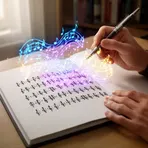
How Imaginative
- Literature
60
2.4

- Literature
1
7.1
12
4.2
10
7.2
Surface Forms
Etymology
Prose can mean ordinary or dull because it comes from the idea of prosa 'plain' speech; this also gave English prosaic, so calling writing 'prose' can mean it feels plain and unexciting.