

to pronounce
 148
3.5
148
3.5

- verb
- /prəˈnaʊns/
- Formal
- And by the powers vested in me, I now pronounce you, finally, husband and wife.
- pronounce the sentence
- pronounce someone dead
Loading YouTube…
Watch on YouTubeThey keep pronouncing it dead, and yet it endures.
- They keep pronouncing it dead, and yet it endures.
- So I would be on scene and, you know, pronouncing someone with COVID.
- When we discovered that we can't, we felt shortchanged by nature and we pronounced it weird.
- He foresaw, he ordained, He intended all those actions of men which we so rashly pronounce criminal.
- So without further ado, I pronounce or announce.
Examples
-
By the power vested in me, I now pronounce you man and wife.
-
The judge will formally pronounce the sentence at the beginning of the trial.
-
I now pronounce you a husband and wife.
-
I now pronounce you not husband and wife.
-
And now I pronounce you husband and wife.
-
I now pronounce you husband and wife.
-
I pronounce this couple husband and wife.
-
By the laws of the state of Tennessee, I now pronounce you husband and wife.
-
By the power vested in me by the new founding Fathers, I now pronounce you married.
-
"By the powers vested in me, I now pronounce you man and wife," Nathan declared.
Fiction book (1994)
Synonyms
 950
3.7
950
3.7
To officially tell other people or officials about something
 914
2.5
914
2.5
To form an opinion about someone or something
 675
3.4
675
3.4
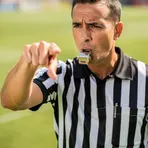
To make an official decision in a sports game
 525
3.7
525
3.7
To make an official decision, often in a court
 37
5.2
37
5.2
Form an opinion about someone or something, often a critical one
Antonyms

Phrasal Verbs

How Authoritative
- Formal
37
5.3

- Formal
17
7.8
- Formal
229
5.3
- Formal
148
3.5
- Formal
950
3.7
∞
1.5
∞
1.0
Surface Forms
Etymology
Pronounce comes from pro- ('forth') and the same root as announce ('to tell'). So when a court or doctor pronounces someone guilty or well, they are 'speaking out' a formal decision.