
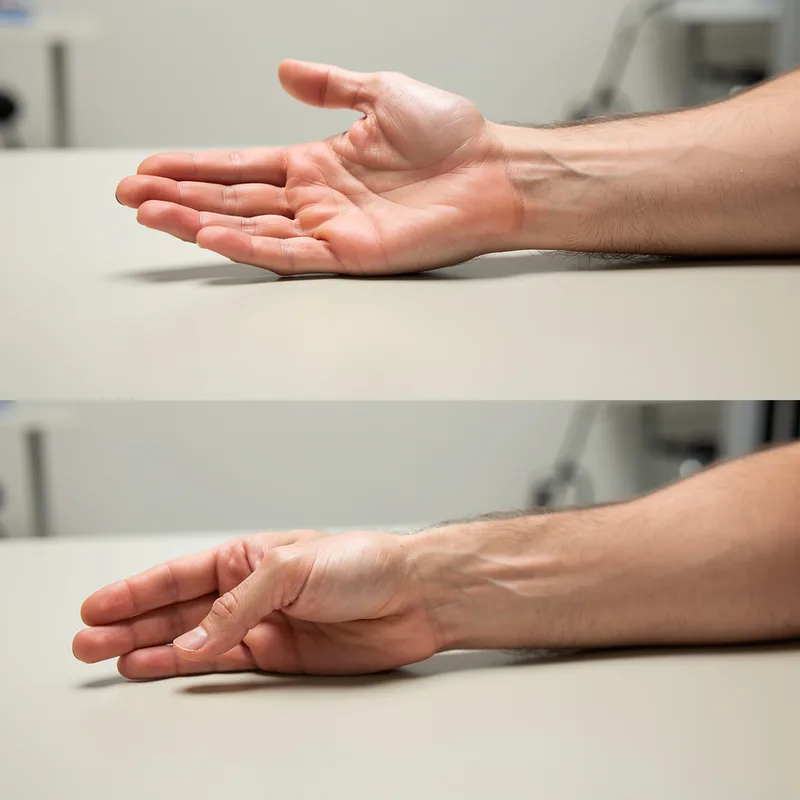
to pronate
 1
8.9
1
8.9

- verb
- /ˈproʊneɪt/
- Specialized
- - Pronated.
- pronated feet
Examples
-
Straight-arm pulldowns: Grasp a high bar attached to a high pulley or lat machine with a pronated grip (palms down).
Blog text (32) -
When running, it's important to ensure your shoes can accommodate how your feet pronate to avoid injury.
-
Do you supinate or pronate?
-
I'm pronating.
-
Therefore, Marshall learned how to pronate the release of every type of pitch, including his slider. Taken in aggregate, these actions greatly reduce the likelihood of injury.
Academic text (2009) -
Extend your left arm while holding a dumbbell with your left hand, using a palms-in grip (pronated).
Blog text (32) -
Briefly stated: the glider's right arm is not supinated, as it would have to be to produce an upturned palm under a load; the arm is pulled back and pronated with elbow out, an action best understood when the figure is viewed upright, as though it were striding.
Academic text (1992) -
Then, not only will he rotate perpendicularly around the vertical axis of his body, but he will also use all his height to his advantage. Finally, a pitcher must powerfully pronate the forearm, meaning he downwardly rotates his thumb through release.
Academic text (2009) -
Many athletes require special footwear depending on how much they pronate or supinate while they run.
-
If you notice your shoes are wearing down on the inside, it may be because your feet tend to pronate excessively.
Antonyms


How Turned

Surface Forms
Morphology
Etymology
Pronate comes from the Latin word pronus, meaning 'bent forward', and is related to the English word prone, which means lying face down. So to pronate is to turn your hand, forearm, or foot so the palm or sole faces down or inward, like making it 'face down'.