
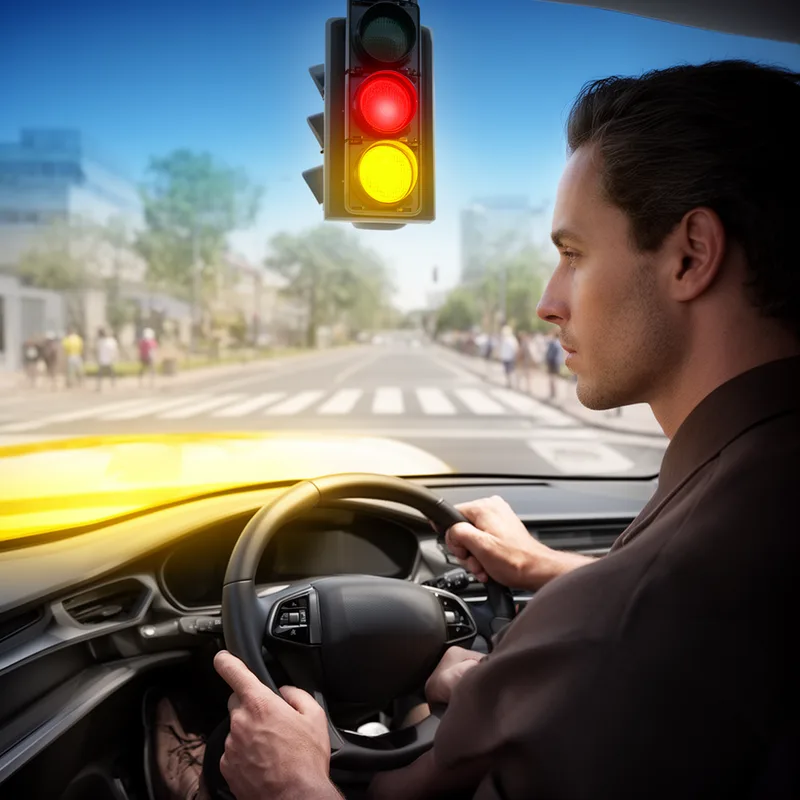
to prepare to stop
 1
3.0
1
3.0

- phrasal verb
- As the traffic light turned yellow, I knew I had to prepare to stop before it changed to red.
Examples
-
There was a stop sign at the bottom, so I started to hit my brakes to prepare to stop.
Blog text (31) -
But the Moral Error theorist, or moral skeptic, must always be prepared to stop the conversation and make the point clearly that there are no moral truths when the conversation gets to the point where there are moral differences and the shorthand obfuscates the discussion rather than illuminating it.
Blog text (30) -
Dennis, prepare to stop the ride!
-
The car behind them obviously wasn't prepared to stop so quickly.
Fiction book (1996) -
When you're prepared to stop and listen, give me a shout.
Blog text (30) -
I'm going to, you know, prepare to stop this weird repetition, this sort of cycle that has continued to happen for God knows how long.
-
While drivers must be prepared to stop for pedestrians, RPD community outreach facilitator Jim Bove said it is also "important for pedestrians to remember that they have a role, as well, in their safety."
Blog text (15) -
When the train's whistle blew, the conductor signaled for everyone to prepare to stop at the station.
-
The instructor warned the drivers to prepare to stop when they approached the checkpoint.
Antonyms

How Ready

Surface Forms
Morphology
The meaning 'to get ready to halt' is directly and transparently derived from combining 'prepare' (to make ready) with the infinitive 'to stop' (to halt). This is a straightforward verb + infinitive composition that follows normal English patterns and is cross-linguistically common, so a B1 learner who knows the constituents will readily understand it.
Etymology
Prepare to stop comes from road and train signs that warn drivers to get ready to stop. When you see a yellow light or a signal you must prepare, that is, get ready, to stop, so the phrase means 'to get ready to stop'.