

poxy
9.9
Having many small scars on the skin from smallpox
- adjective
- /ˈpɑksi/
- Archaic
:
variolado
- In the old text, the term 'poxy' was used to describe those afflicted with smallpox in the village.
Examples
-
Eamon looked into her broad, poxy face and searched out her eyes.
Fiction book (1998) -
The artist depicted a poxy face, illustrating the effects of the disease on the unfortunate subject.
-
She cringed as she realized she had developed a poxy complexion after the illness.
Synonyms
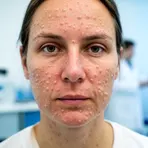
9.9
Skin that has small round scars from smallpox
is the older word for the same smallpox marking

9.9
Having a disease that causes sores on the skin like smallpox
refers specifically to marks caused by smallpox rather than any pox
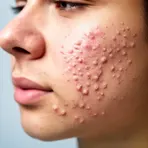
pocked
vspoxy
7.5
Having many small pits or scars, often on the skin
focuses on marks from smallpox specifically rather than unspecified causes
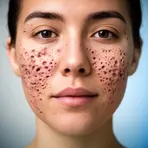
pockmarked
vspoxy
7.4
Covered with many small holes or scars
is limited to marks from smallpox rather than general damage or wear
Antonyms


Compounds

Surface Forms
poxy positive
Morphology
Etymology
Poxy comes from the old word pox, the disease with blisters like 'smallpox', so it originally described skin or a face covered in the marks of that disease.