
possibilism
- noun
- /pəˈsɪbɪlɪzəm/
- Specialized
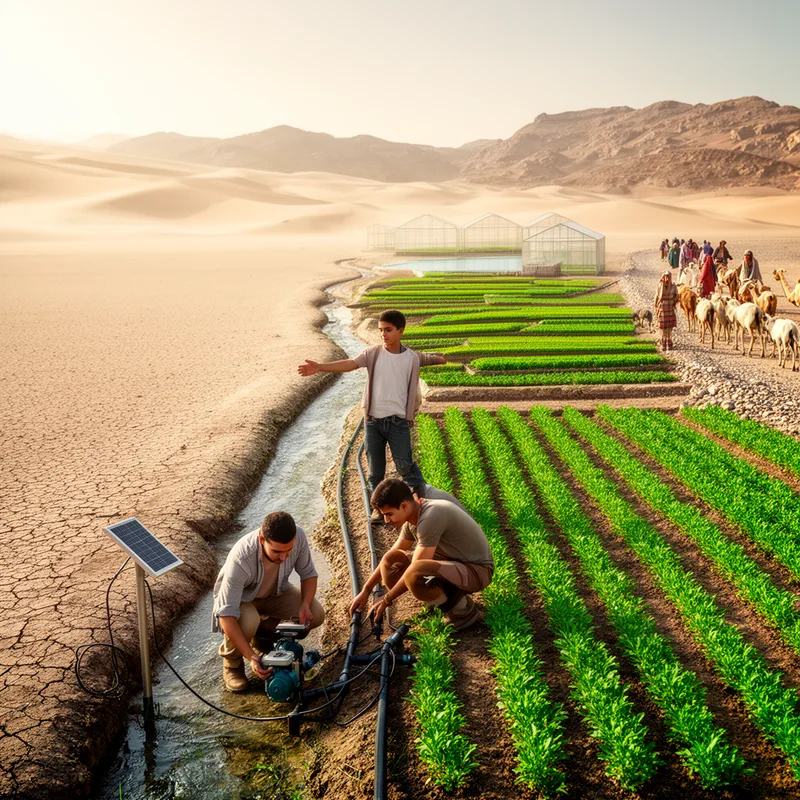
- The theory of possibilism argues that while the environment sets limits, humans can choose how to respond and adapt to those constraints.
Examples
-
Although Vance was never fully comfortable with the cultural landscape as the focus for his scholarship—it was too vague for his liking—early on he did embrace the broad conception of possibilism that was then popular in geography.
Academic text (1999) -
In geography, possibilism is the perspective that recognizes human agency in overcoming environmental challenges.
-
By pushing past the confines of structural and theoretical obstacles, their collective scholarship stresses "possibilism" in the cause for democratization.
Academic text (1994) -
Through possibilism, scholars suggest that individuals can creatively find solutions to environmental restrictions.
Surface Forms
Morphology
possibilism = possible (semi-transparent) = possibil + ism
Formally 'possible' + '-ism' is clear, but the geographic/anthropological theory meaning requires domain knowledge and is not fully derivable by a general learner.
Etymology
Possibilism comes from the word possible ('able to be') plus -ism ('belief' or 'theory'). In geography it means that nature sets limits but people can choose and adapt within what is 'possible', so the origin helps explain why the theory focuses on human choices inside real limits.

