
positional representation system
- noun
- /pəˈzɪʃənəl ˌrɛprɪzɛnˈteɪʃən ˈsɪstəm/
- Specialized
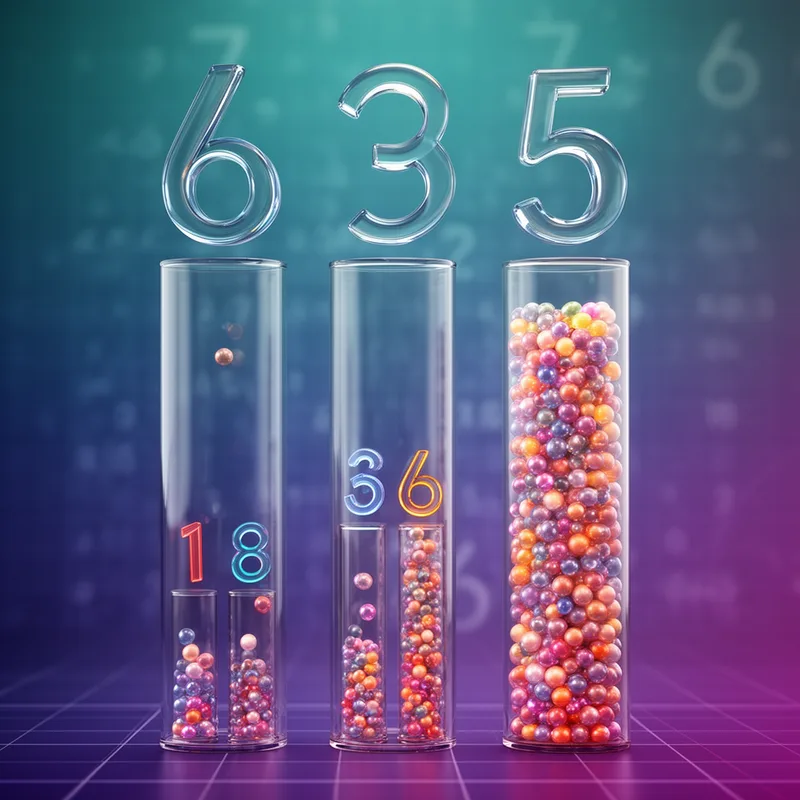
- In a positional representation system, the same digit can represent different values depending on where it appears.
Examples
-
The decimal system is the most commonly used positional representation system in everyday life.
-
The binary positional representation system is fundamental to modern computing.
-
The positional representation system is crucial for understanding modern mathematics.
-
In a positional representation system, the digit's position affects its value.
-
In a positional representation system, the value of a digit changes based on its location in the number.
-
The decimal system is a widely recognized positional representation system that we use for daily calculations.
-
The binary positional representation system is essential for programming and electronic devices.
Synonyms
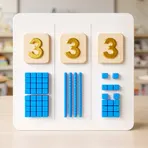
A number system where each digit's value depends on its place
Surface Forms
Morphology
positional + representation + system
The noun phrase is compositionally built from 'positional' (determined by position) + 'representation' (a way of encoding or showing information) + 'system' (a set of rules), so the meaning—a system for representing values where position determines value—is directly derivable from the parts. This is a standard technical composition with clear cross-linguistic equivalents, so a B1 learner who knows the constituent words should be able to infer the overall meaning.
Etymology
The term positional representation system comes from the simple idea of writing digits into different positions, like putting numbers into boxes labeled 'ones', 'tens' and 'hundreds'. The same digit, for example '5', means 5 in the 'ones' box but 50 in the 'tens' box, so the system gives each digit its value by its position.

