
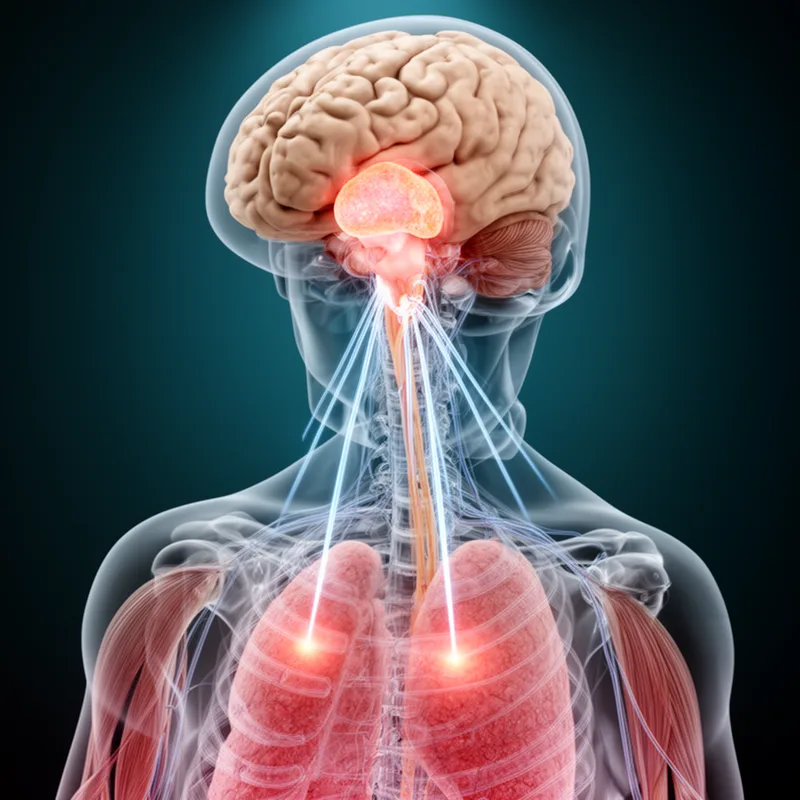
pons
 1
9.9

- noun
- /pɑnz/
- Specialized
- Damage to the pons can result in difficulties with balance and coordination due to its role in connecting various brain regions.
Examples
-
During a brain scan, the pons is often identified as a prominent structure that plays a key role in regulating sleep and arousal.
-
Most of the PONS in this study were transient in nature, resolving within weeks to months; however, 12 (7% of all PONS) cases that were "probably related to anesthesia" lasted beyond six months.
Academic text (2018) -
Of the patients who had PONS for more than six months (26 patients), 12 patients had neurologic sequelae that were determined to be "probably related to anesthesia."
Academic text (2018) -
Our results suggest that dexamethasone may be paradoxical, providing some PONS protection at lower doses while increasing concern for PONS at higher doses (based on our subset review).
Academic text (2018) -
Postoperative neurologic symptoms (PONS), defined as neurological symptoms lasting more than 72 hours after the nerve block, were diagnosed in 208 patients (2.3%) in our study population, of whom 14 (7% of those with PONS diagnosis) complained of motor function involvement.
Academic text (2018) -
The pons is crucial for transmitting signals between different parts of the brain and is located above the medulla oblongata.
Synonyms

 1
9.9
Thick band of nerves in the brainstem that connects upper and lower parts of the brain
Compounds
- Specialized
1
9.9
Thick band of nerves in the brainstem that connects upper and lower parts of the brain

Surface Forms
Etymology
Pons comes from the Latin word pons, which means 'bridge', and doctors used this name because this part of the brainstem acts like a bridge that links lower and upper brain areas and helps signals pass between them.