
polyvinylpyrrolidone


 1
9.9
- noun
- /ˌpɒliˌvaɪnəlˈpɪrəˌlɪdoʊn/
- Specialized
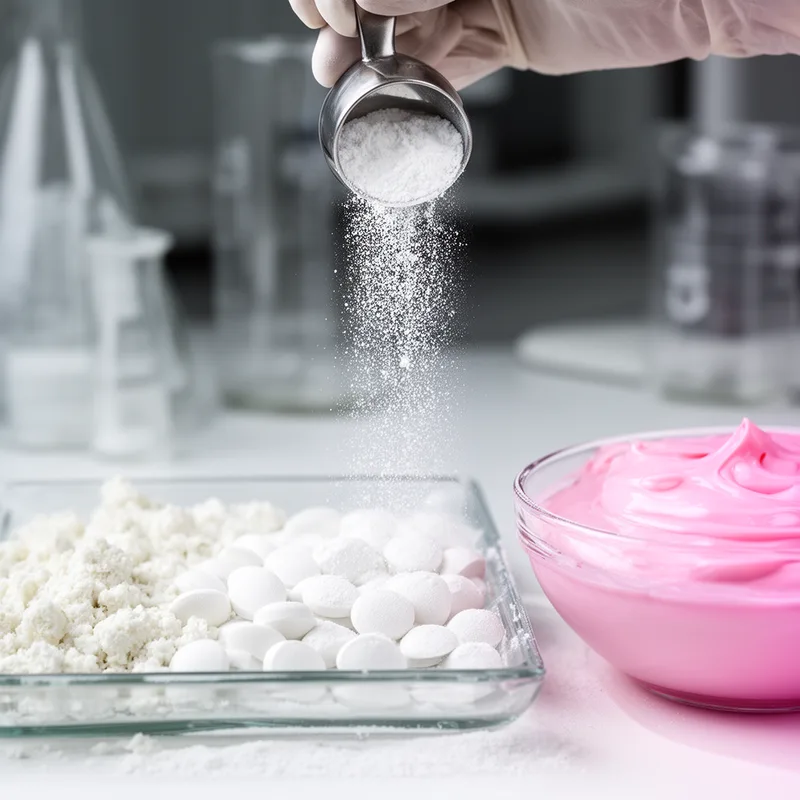
- The tablet contains polyvinylpyrrolidone as a binding agent.
Examples
-
Many cosmetics use polyvinylpyrrolidone to help maintain their texture and stability.
-
Researchers tested the effectiveness of polyvinylpyrrolidone in delivering certain medications.
-
Researchers are studying polyvinylpyrrolidone for its potential in drug delivery systems.
-
The cosmetic product contains polyvinylpyrrolidone as a thickening agent.
-
The tablet contains polyvinylpyrrolidone as a binding agent.
-
Many cosmetics use polyvinylpyrrolidone to help maintain their texture and stability.
-
The cosmetic product contains polyvinylpyrrolidone as a thickening agent.
Synonyms
 1
7.9
A chemical that helps mix ingredients and stops them from separating in food and cosmetics
Surface Forms
Morphology
polyvinylpyrrolidone = vinylpyrrolidone (opaque) = poly + vinyl + pyrrolidone
The word is formally built from the prefix 'poly-' plus the chemical base 'vinylpyrrolidone', but the term is highly technical and not recoverable for an average B1 learner from the parts alone.
Etymology
Polyvinylpyrrolidone breaks into three parts: poly- meaning 'many' (as in polygons), vinyl (think of vinyl records or flooring) and pyrrolidone meaning 'a small chemical ring' used in chemistry. So, polyvinylpyrrolidone is a long molecule made of many repeating vinyl-pyrrolidone parts, and that structure is why it can bind, stabilize, or thicken medicines and cosmetics.