
polytene
- adjective
- /ˈpɒlɪtiːn/
- Specialized
- In some insect larvae, the salivary gland cells contain large polytene chromosomes.
Examples
-
The unique structure of polytene chromosomes makes them useful for genetic mapping.
-
The polytene chromosomes are visible under a microscope.
-
Researchers observed polytene chromosomes under the microscope to study gene expression in fruit flies.
-
In Drosophila, polytene chromosomes play a crucial role in development.
-
Researchers observed polytene chromosomes under the microscope to study gene expression in fruit flies.
-
In some insect larvae, the salivary gland cells contain large polytene chromosomes.
-
The unique structure of polytene chromosomes makes them useful for genetic mapping.
Surface Forms
Morphology
polytene = poly + tene
The classical prefix poly- 'many' gives only a partial clue, and the remaining technical element does not let an average learner infer the chromosomal meaning.
Etymology
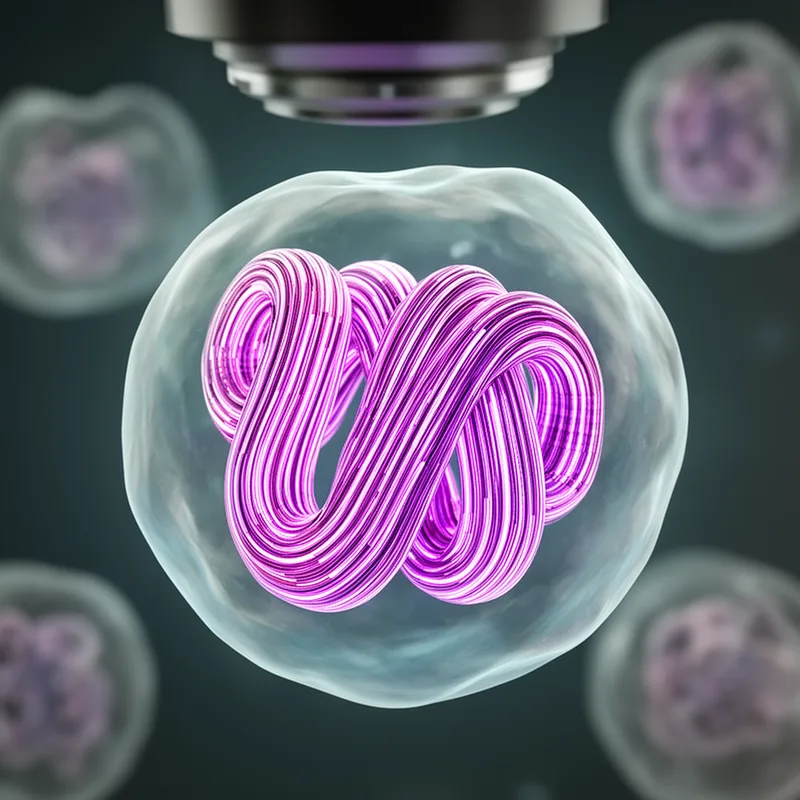
Polytene comes from the Greek parts poly- meaning 'many' (as in polygon) and -tene which suggests 'threads' or 'strands'. A helpful way to remember it is that polytene chromosomes look like many side-by-side 'threads', so the adjective describes chromosomes with many copies.

