
to polymerize
 1
8.8
1
8.8

- verb
- /ˈpɒlɪməˌraɪz/
- Specialized
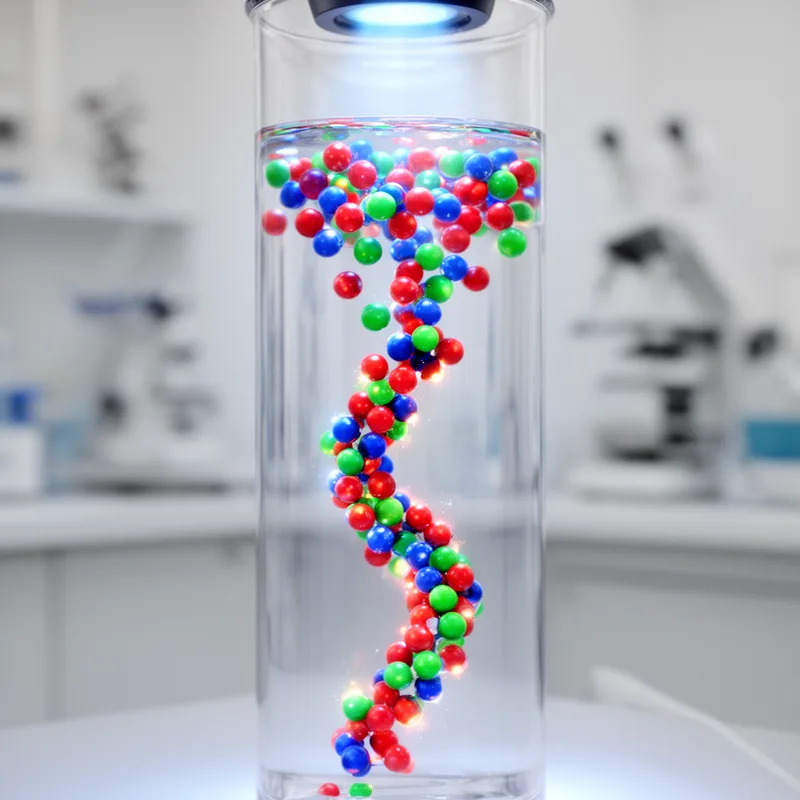
- When the temperature increases, the small molecules in the solution begin to polymerize and form a solid structure.
- polymerized formaldehyde
Loading YouTube…
Watch on YouTubeMembranes start to polymerize instead of being fluid.
- Membranes start to polymerize instead of being fluid.
- And rho Gtpas is critical in telling G actin to polymerize and form F actin.
Examples
-
Membranes start to polymerize instead of being fluid.
-
Matrigel was added to a 96-well tissue culture plate and allowed to polymerize at 37 degrees C for 20 min.
Academic text (2018) -
A photopolymer is liquid until it's exposed to ultraviolet light, and then it polymerizes, or solidifies, into a plastic," Ruprecht said.
Blog text (21) -
I tossed the halves into the oven for an hour on a very low temperature to help the epoxy 'kick' and start polymerizing (which is what actually causes it to harden).
Blog text (13) -
Researchers were excited to see how the new compound would polymerize into a flexible material during the experiment.
-
The scientist noticed that the monomers would polymerize rapidly when exposed to certain catalysts.
Surface Forms
Morphology
Etymology
Polymerize comes from poly- meaning 'many' and -mer meaning 'part', so it gives the image of many small parts coming together. To polymerize is to join many small molecules into long chains, which is why chemists use it to make plastics and resins.