

polecat
 3
8.2
3
8.2

- noun
- /ˈpoʊlkæt/
- UK
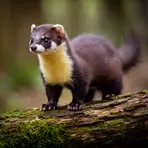
- The polecat is known for its distinctive black-and-white fur and pungent odor.
Examples
-
I chased a polecat up a tree Way out upon a limb
-
When threatened, a polecat can release a strong, unpleasant smell to deter predators.
-
The smell of the polecat
Fiction book (1992) -
"Polecats stink."
Fiction book (2001) -
So if they occasionally act like polecats stinking up a family picnic, it may be understandable—and perhaps even justified.
Academic text (1994) -
I was surprised by the strong smell that came from the polecat lurking in the bushes.
Synonyms
 9
9.9
9
9.9
A small dark brown animal like a weasel from Europe and Asia that smells bad when threatened
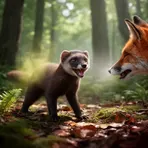
A dark brown mammal like a weasel from Eurasian woods that makes a strong unpleasant smell when threatened

A small dark brown animal like a weasel that gives off a strong bad smell when frightened
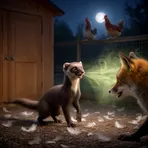
A small animal like a weasel that lives in Europe and Asia and gives a strong bad smell when scared

A small shy mammal that gives off a strong smell and lives in marshes or forests
Compounds

- UK
A small swamp plant with a bad smell and tiny flowers under a spotted green or purple hood
How Smelly

Surface Forms
Etymology
Polecat may come from old names that mixed the idea of poultry, meaning 'chickens', and cat, so people thought of it as a 'chicken-cat' that raided coops. That's why the name fits a small animal like a weasel that farmers blamed for stealing chickens and for the strong, unpleasant smell it can spray when threatened.