
plumage
 9
5.8
9
5.8

- noun
- /ˈpluːmɪdʒ/
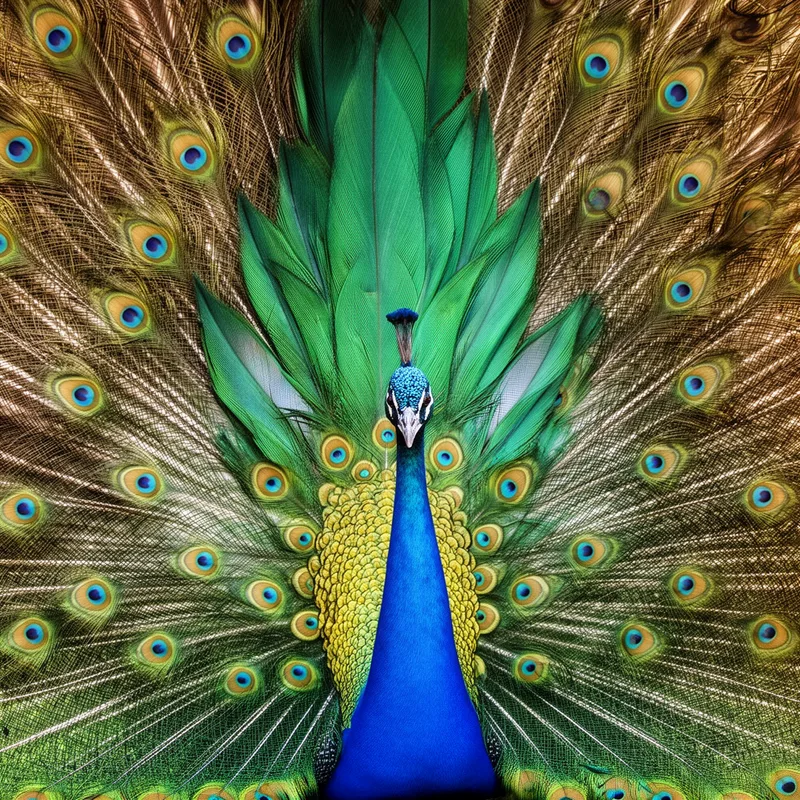
- The peacock displays its bright plumage to attract a mate.
- bird plumage
- breeding plumage
- white plumage
Loading YouTube…
Watch on YouTubeAnd using the brightness of a male's plumage, for example, is one way in which females could diagnose whether the male is healthy.
- And using the brightness of a male's plumage, for example, is one way in which females could diagnose whether the male is healthy.
- Things like the brilliant plumage of Peacocks, sex differences like in, you know, stags for example, have these massive antlers and the females of the species do not.
Examples
-
Feast your eyes on the magnificent plumage of these exotic creatures.
-
The male birds, in their elaborate and brightly colored plumage, strut about, sing, ruffle their feathers, and perform dances.
Fiction book (2002) -
Her head is actually white in the winter and she has these cool black streaks on her plumage.
-
When I stood up, the male, brilliant in his plumage, flushed first, followed by the female.
Fiction book (2002) -
And he preened his gorgeous plumage, all red, white, and gold.
Fiction book (1992) -
The voices of the birds were unmelodious, but their plumage was brilliant.
Fiction book (1990) -
Illuminated by the setting sun, its feathers glowed soft blue and yellow, the plumage of spring.
Fiction book (2000) -
The most striking biological example of this is the the elaborate glorious plumage of the Peacock.
-
And using the brightness of a male's plumage, for example, is one way in which females could diagnose whether the male is healthy.
-
A prothonotary warbler in its iridescent yellow-green plumage perches on a waving wand of Virginia sweet spire.
Academic text (2009)
How Protective

Surface Forms
Morphology
Etymology
Plumage comes from the old Latin word pluma, meaning 'feather', and it is the same root as the English word plume. So think of a bird's plumage as its 'feather coat', and that image explains why the word refers to all the feathers that show a bird's colour and pattern.